 Tea Set Collection of Multani Pottery

Pottery of Pakistan: The Traditions Beyond Blue Pottery

Multan, Hala, Nasserpur, Gujrat and the village earthenware tradition. What each pottery region of Pakistan makes and how to tell them apart.
Multan, Hala, Nasserpur, Gujrat and the village earthenware tradition. What each pottery region of Pakistan makes and how to tell them apart.
Ajrak block printing in Sindh and South Punjab, the fourteen stage process, what artisan cooperatives actually do, and how to spot genuine hand block printing.
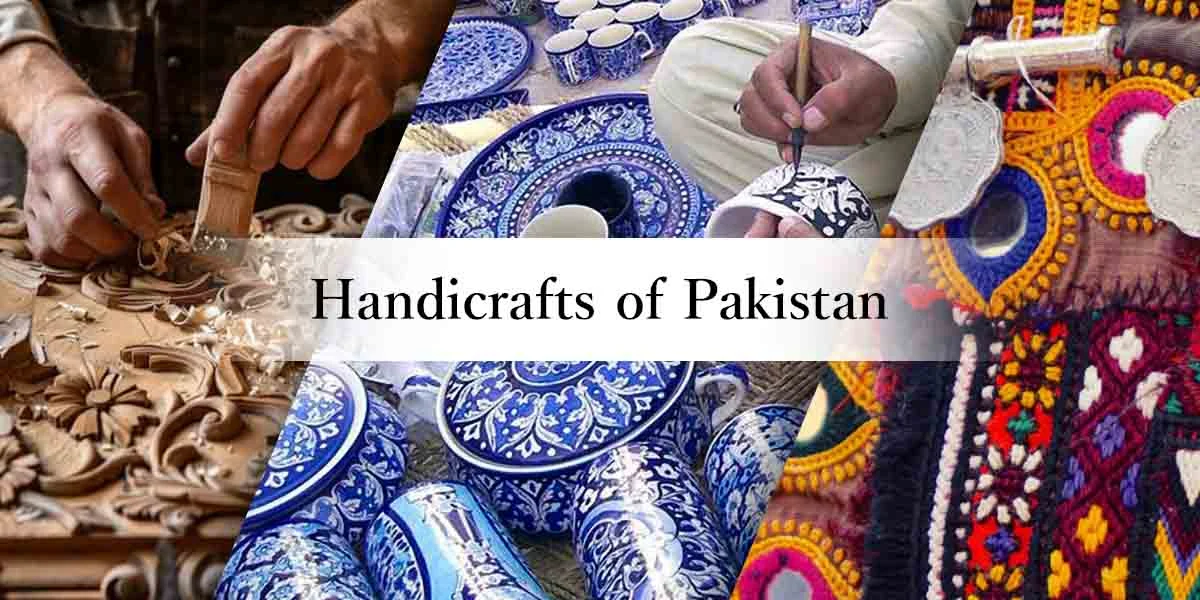
What Pakistan makes by hand, four ways to tell handmade from machine-made, why handwork costs more, and where to buy it.
Handi, donga, karahi, sorahi, nashta set. What each Multani bartan vessel is, what it is for, and why blue pottery is serving ware and not cookware.
The intricate tile work from Multan is called Kashi Kari. What the name means, where it came from, its pattern vocabulary, and where to see it.
Our blue pottery factory on Nubahar Canal Road, Multan is open to visitors with no appointment. The showroom is inside the factory and photography is allowed.
Multan is the city in Pakistan famous for blue pottery. Here is why the craft settled there, what it is really called, and how it is still made.

How Kashigari, the glazed blue pottery and tilework of Multan and Sindh, is made, where it came from, and who keeps it alive.