
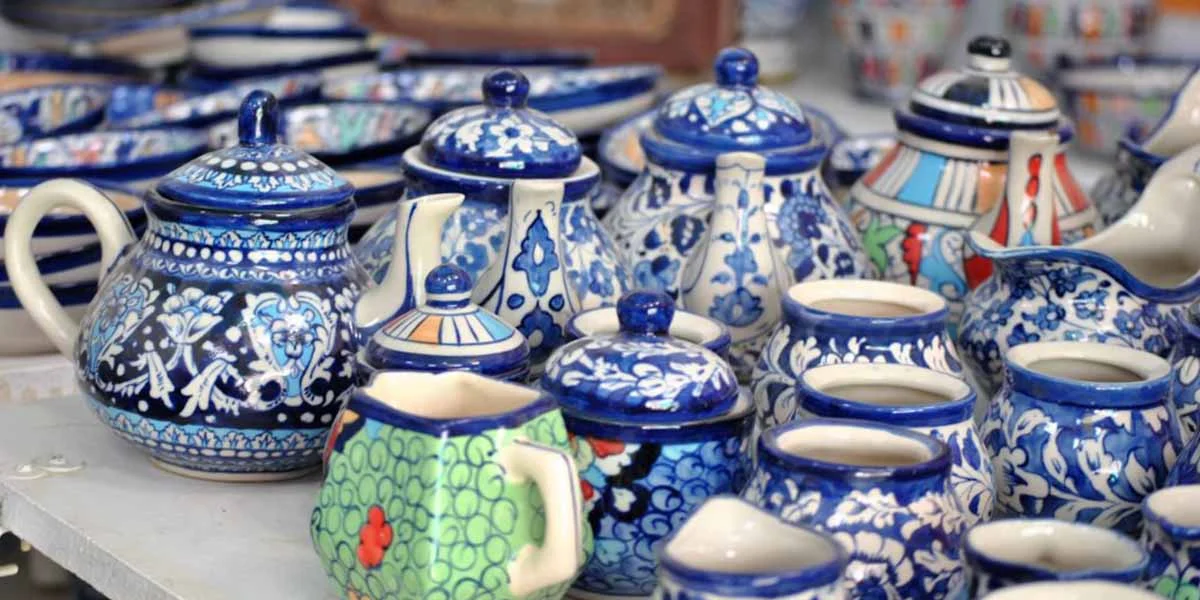
 Tea Set Collection of Multani Pottery

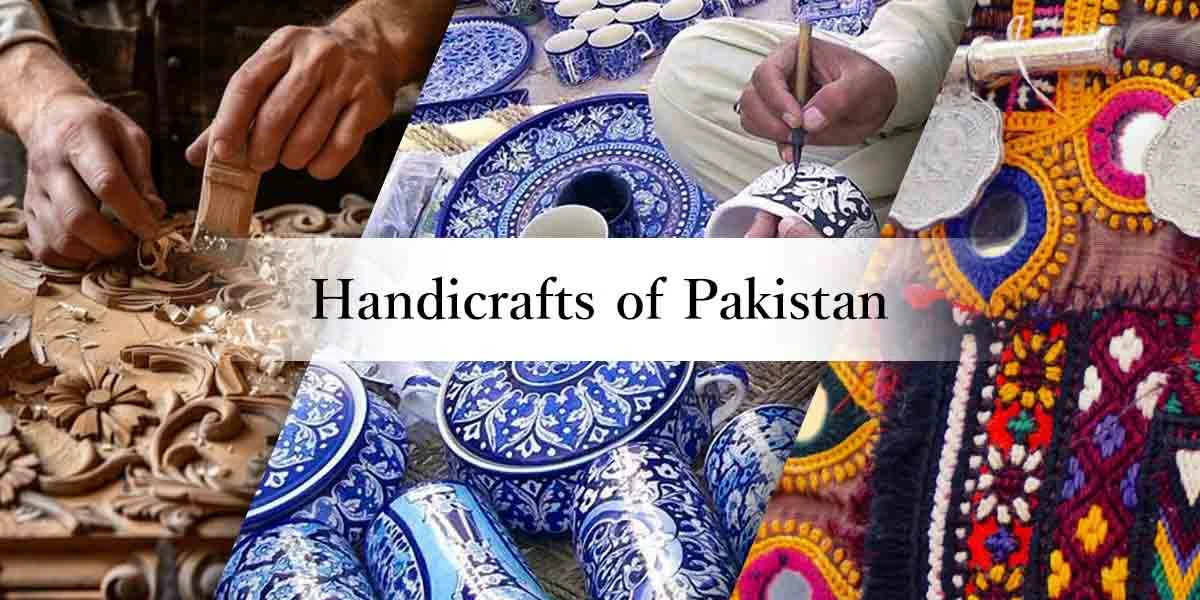
Handicrafts of Pakistan are traditional, handmade crafts produced by regional artisans, including blue pottery, Ajrak textiles, khussa footwear, camel-bone work, woodwork, stone jewelry, and carpets.
Discover the enduring beauty and fine craftsmanship of Handicrafts of Pakistan, where tradition and creativity merge to create stunning masterpieces.
From the bright embroidery of Sindh to the finely carved woodwork of Swat, Handicrafts of Pakistan are evidence of the country’s deep cultural heritage. Each region boasts unique artistic traditions, handed down through generations, reflecting the diverse history and traditions of the nation.
Imagine adorning your home with beautifully handcrafted items that tell a story of skilled artisans and ancient techniques. Whether it’s the elegant pottery from Multan or the delicate jewelry from Gilgit-Baltistan, these crafts are not just products; they are a piece of Pakistan’s soul, bringing a touch of history and elegance into your space.
Dive into the world of Pakistani handicrafts.
What Are the Handicrafts of Pakistan?
Handicrafts of Pakistan are traditional, handmade crafts produced by regional artisans across the country, including blue pottery, Ajrak textiles, khussa footwear, camel-bone work, woodwork, stone jewelry, weaving, and carpets.
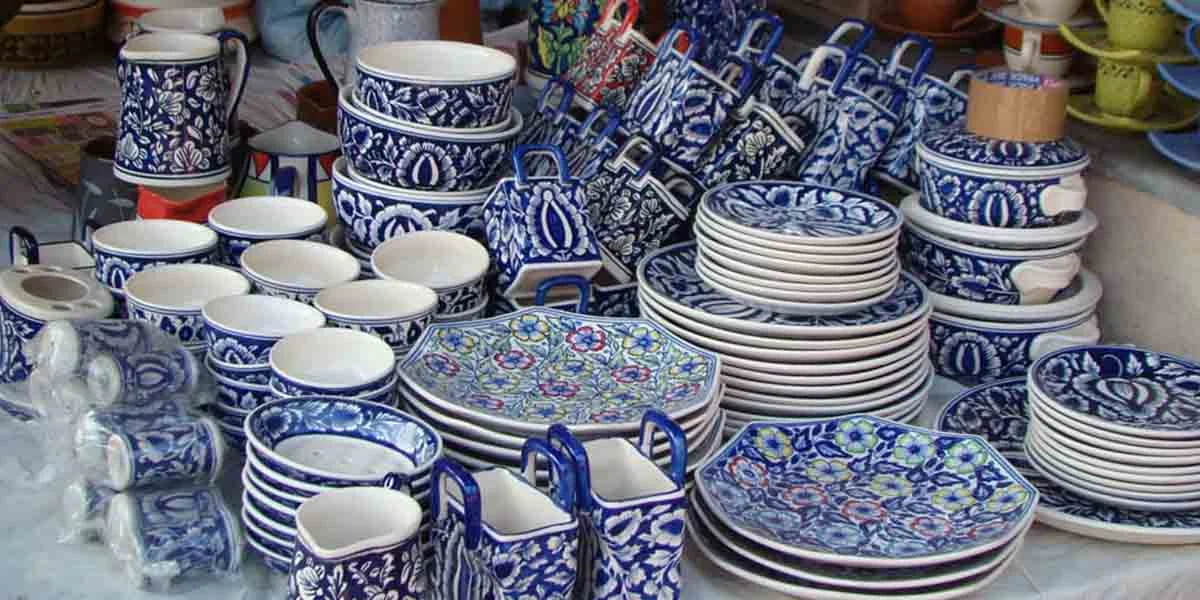
The handicrafts of Pakistan span nine major craft families, each tied to a region and a material tradition. Punjab is known for Multani blue pottery and khussa footwear. Sindh produces Ajrak block-printed textiles. Balochistan is recognized for mirror embroidery, and Kashmir and Khyber Pakhtunkhwa for carpets and woodwork. Multani blue pottery itself ranges from everyday blue pottery mugs and cups to full dinner and tea sets.
Historical Context and Cultural Significance
Handicrafts of Pakistan trace back over 4,000 years to the Indus Valley civilization and developed further through Mughal-era craft traditions.
The handicrafts of Pakistan are deeply rooted in the country’s long history and diverse cultural traditions. From ancient civilizations to contemporary society, these crafts have evolved while preserving their unique cultural essence.
Understanding the historical and cultural significance of Pakistani handicrafts offers insight into the artistic heritage and the socio-cultural narratives that have shaped these finely made creations.
Evolution of Handicrafts in Pakistan
Ancient Origins:
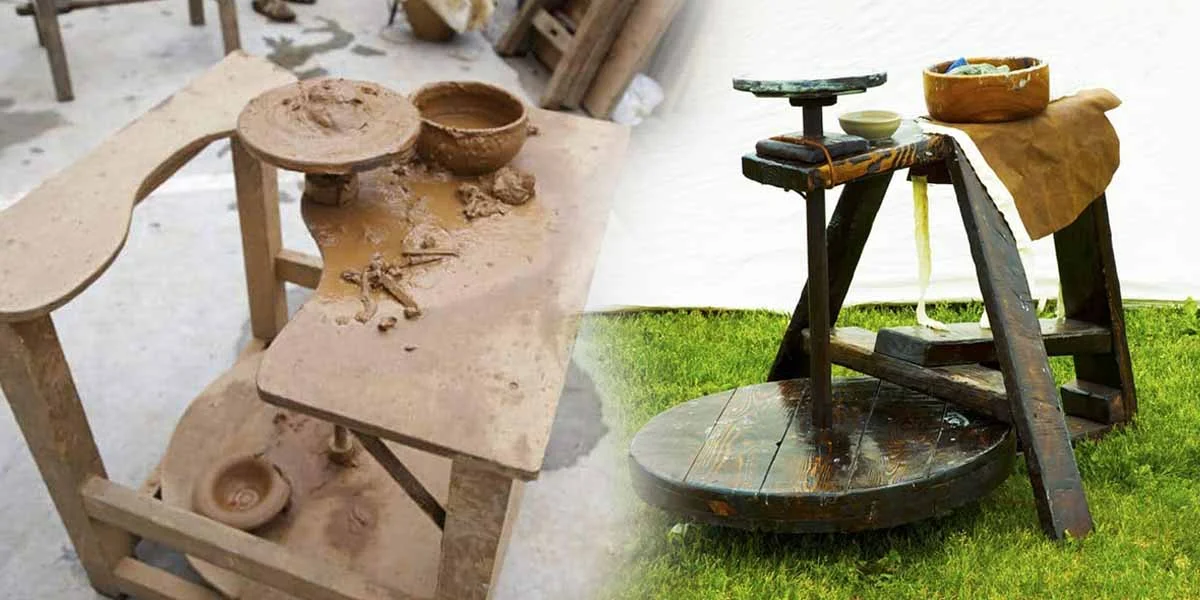
Handicrafts in Pakistan have roots that date back thousands of years, tracing their origins to the ancient Indus Valley Civilization (circa 3300–1300 BCE). The Indus Valley is known for its sophisticated urban planning, metallurgy, and craftsmanship.
Medieval and Mughal Influences:
During the medieval period, the region saw the influence of Islamic culture and the Persian Empire, which brought new artistic techniques and motifs. The Mughal Empire (1526–1857) particularly influenced the evolution of handicrafts with its long tradition of architecture, painting, and decorative arts.
Colonial Period:
Under British colonial rule (1858–1947), traditional crafts were impacted by industrialization, but they also gained international exposure. This period saw a blend of Western and Eastern styles in various crafts.
Post-Independence Era:
Since gaining independence in 1947, Pakistan has made efforts to revive and promote its traditional crafts. Government initiatives and non-profit organizations have played significant roles in preserving these arts.
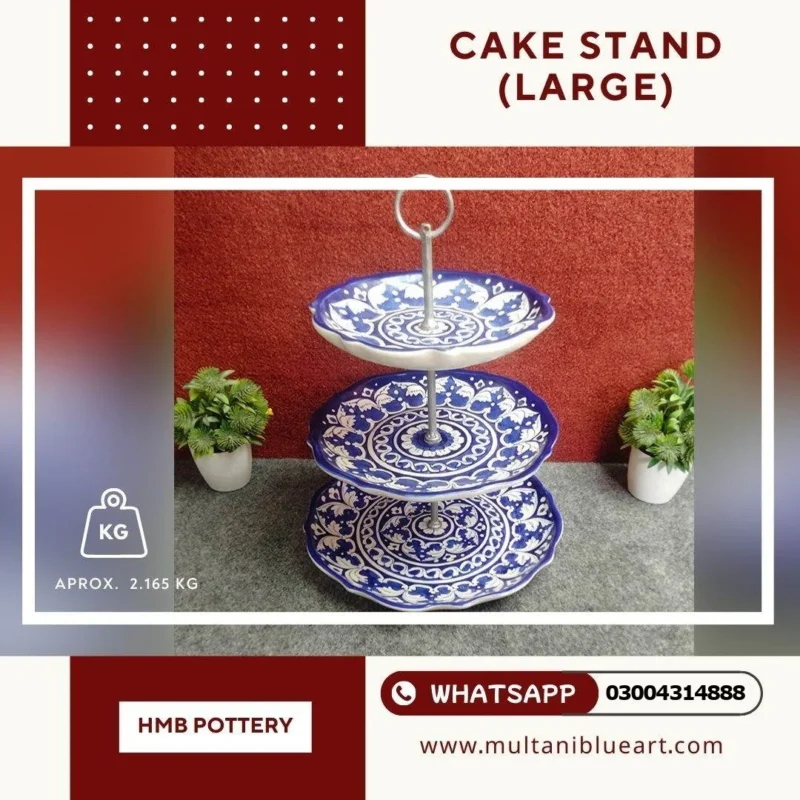
Cake Stand (Large)
Original price was: ₨ 9,000.0.₨ 4,500.0Current price is: ₨ 4,500.0.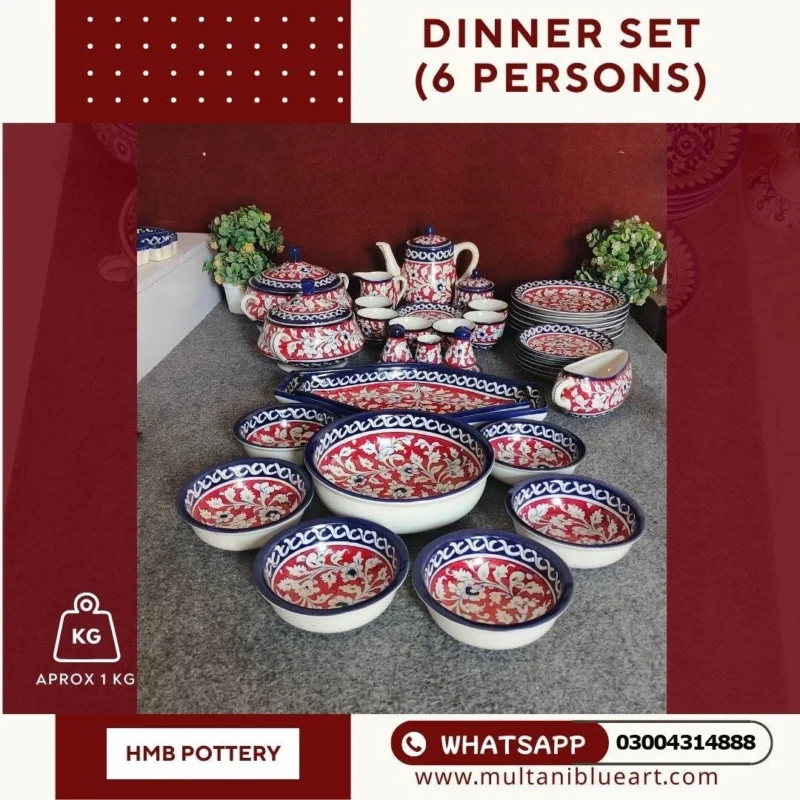
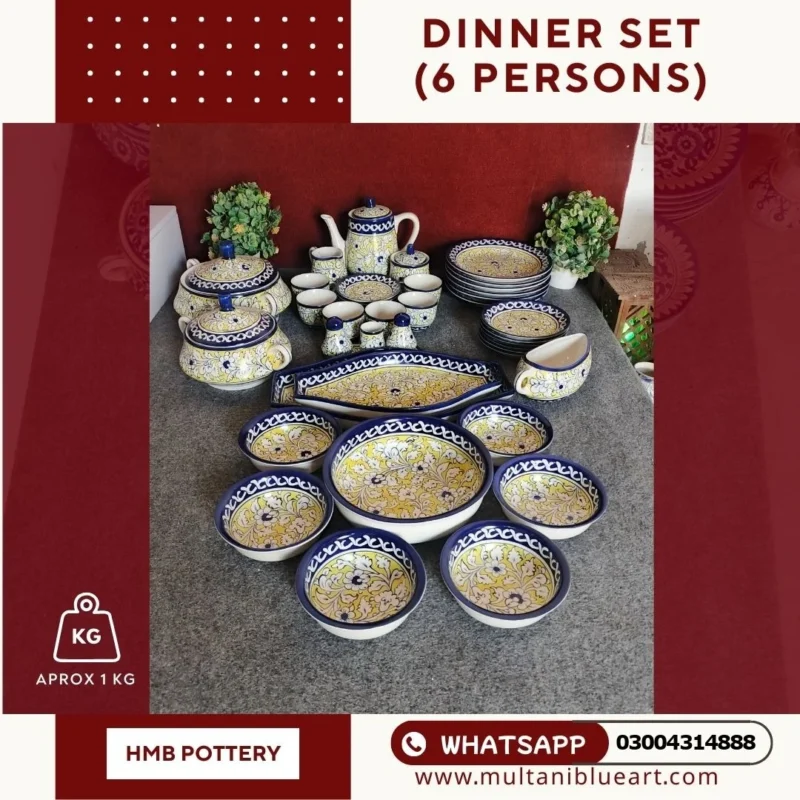
Dinner Set 6 Persons (44 Pieces)
Original price was: ₨ 59,500.0.₨ 29,750.0Current price is: ₨ 29,750.0.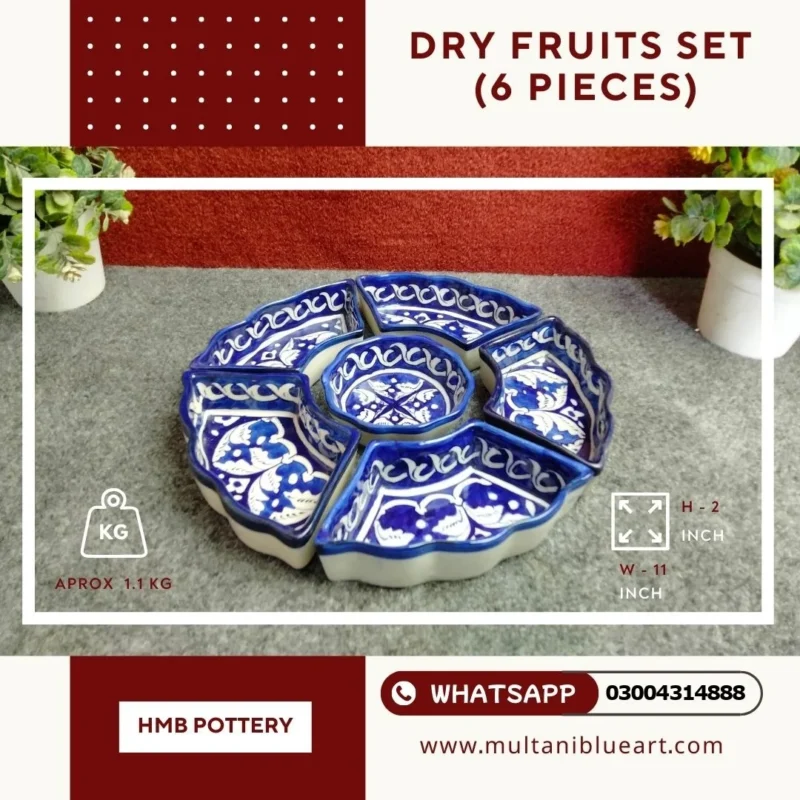
Dry Fruits Set 6 Pieces
Original price was: ₨ 4,550.0.₨ 2,275.0Current price is: ₨ 2,275.0.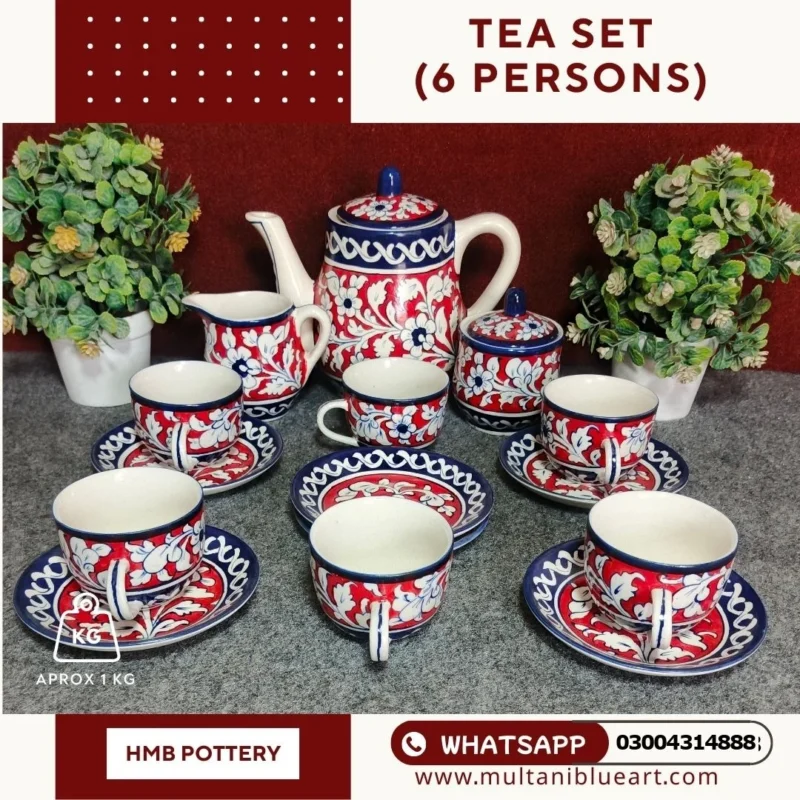
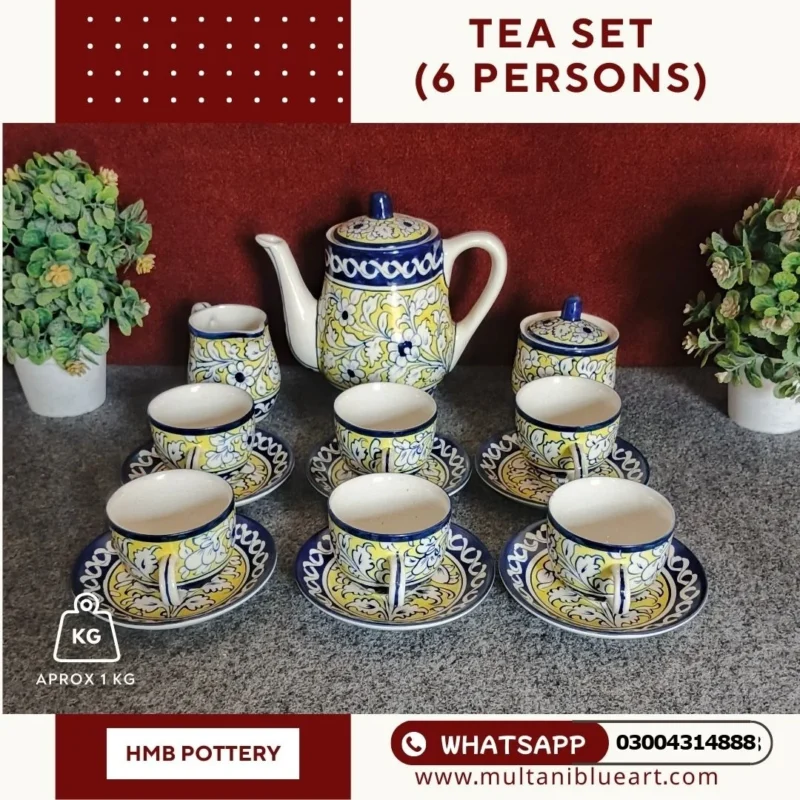
Tea Set 6 Person (15 Pieces)
Original price was: ₨ 10,000.0.₨ 5,000.0Current price is: ₨ 5,000.0.Influence of Various Civilizations
Indus Civilization:
One of the earliest known civilizations, the Indus Valley Civilization, left a lasting legacy in ceramics, bead-making, and metalwork. Artifacts such as terracotta figurines, pottery, and seals display the advanced craftsmanship of this era.
Persian Influence:
Persian influence, particularly during the Achaemenid Empire and later through trade and cultural exchanges, introduced detailed designs, calligraphy, and carpet weaving techniques. Persian styles are evident in Pakistani textiles, carpets, and tile work.
Turkish Influence:
The Turkic migrations and the subsequent establishment of the Delhi Sultanate and the Mughal Empire brought Turkish artistic traditions to the region. This influence is seen in architectural elements, such as the use of domes and minarets, and in decorative arts, including miniature paintings and floral motifs.
Cultural Heritage and Preservation of Traditional Crafts
Significance of Handicrafts:
Handicrafts are not just artistic expressions but also integral parts of Pakistan’s cultural identity. They embody the historical and social narratives of various communities and regions.
Government and Non-Governmental Efforts:
The Pakistani government, along with various non-governmental organizations (NGOs), has taken steps to preserve and promote traditional crafts. Initiatives include establishing craft councils, organizing exhibitions, and providing financial support to artisans.
Educational Programs:
Vocational training programs and craft schools have been established to educate younger generations about traditional techniques. These programs aim to keep the skills alive and adapt them to contemporary markets.
Challenges to Preservation:
Despite efforts, traditional crafts face challenges such as competition from mass-produced goods, the decline of skilled artisans, and limited market access. There is a need for sustainable development strategies to ensure these crafts continue to thrive.
Role of Modern Platforms:
Online marketplaces and global trade have opened new avenues for Pakistani handicrafts. Platforms like “Multani Blue Art” play a crucial role in connecting artisans with international buyers, thereby helping to sustain traditional crafts in the modern economy.
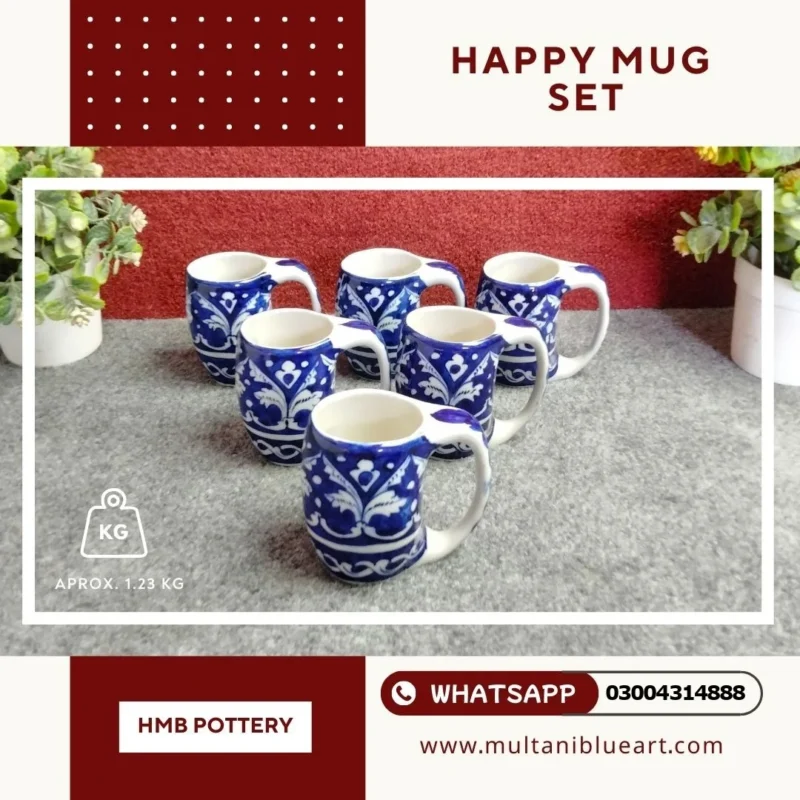
Happy Mug Set
Original price was: ₨ 3,900.0.₨ 1,950.0Current price is: ₨ 1,950.0.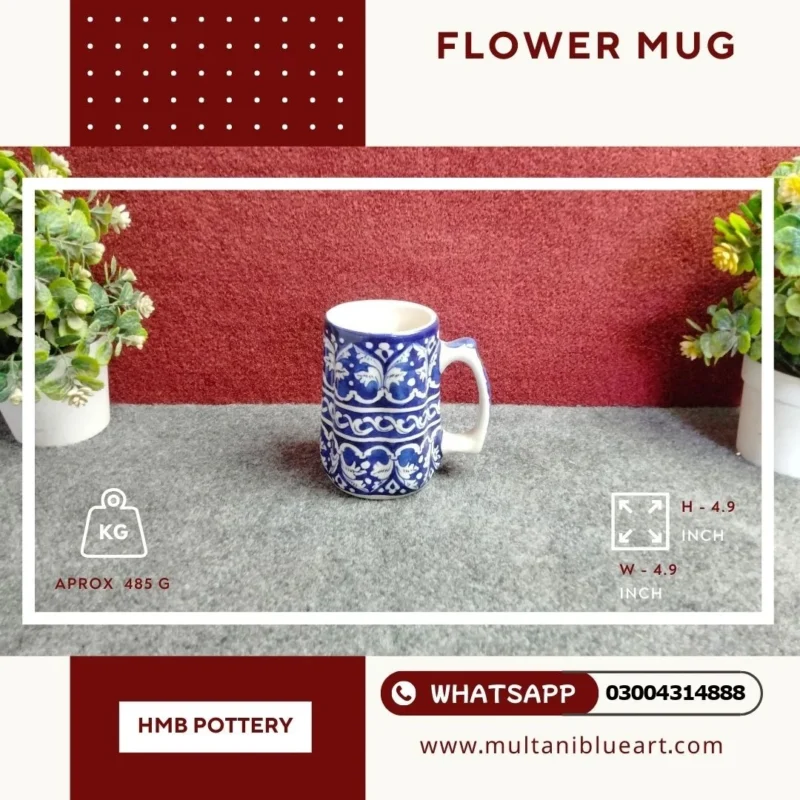
Flower Mug
Original price was: ₨ 1,250.0.₨ 625.0Current price is: ₨ 625.0.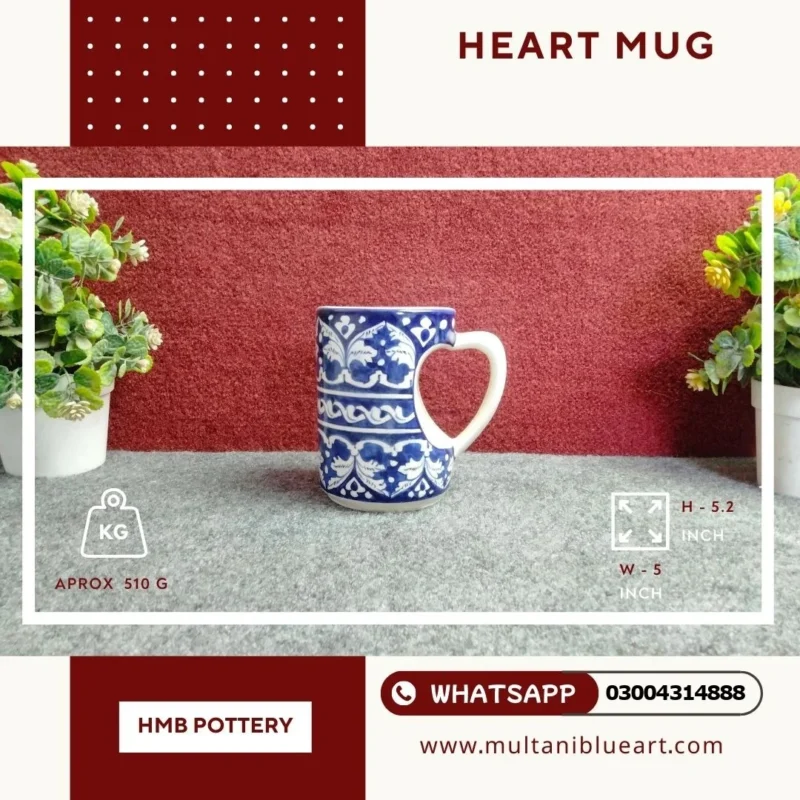
Heart Mug
Original price was: ₨ 1,100.0.₨ 550.0Current price is: ₨ 550.0.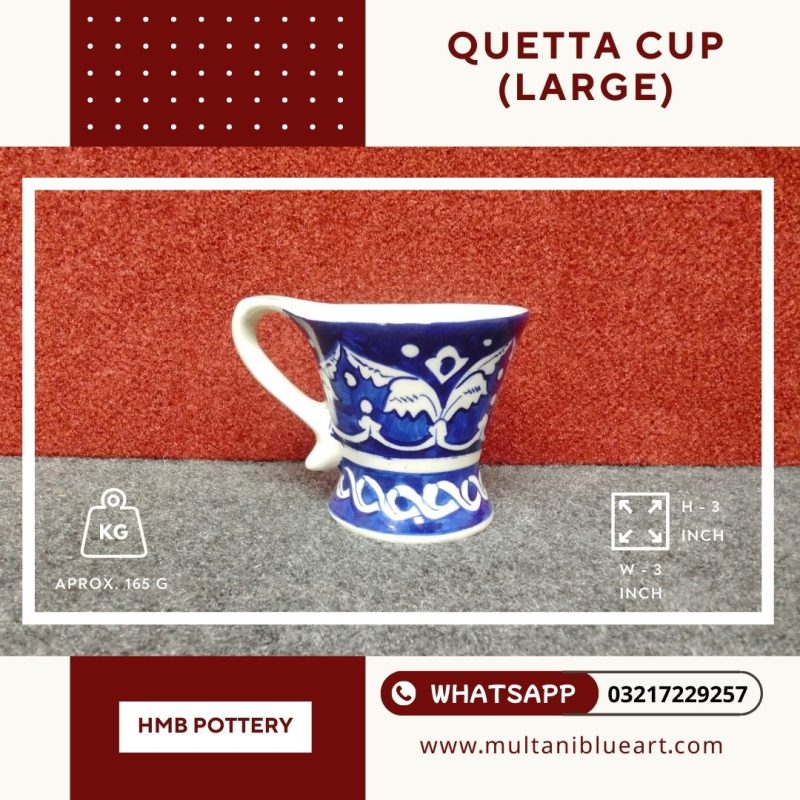
Q-Cup (Quetta Cup)
Original price was: ₨ 650.0.₨ 325.0Current price is: ₨ 325.0.Dinner Set 6 Persons (44 Pieces)
Original price was: ₨ 59,500.0.₨ 29,750.0Current price is: ₨ 29,750.0.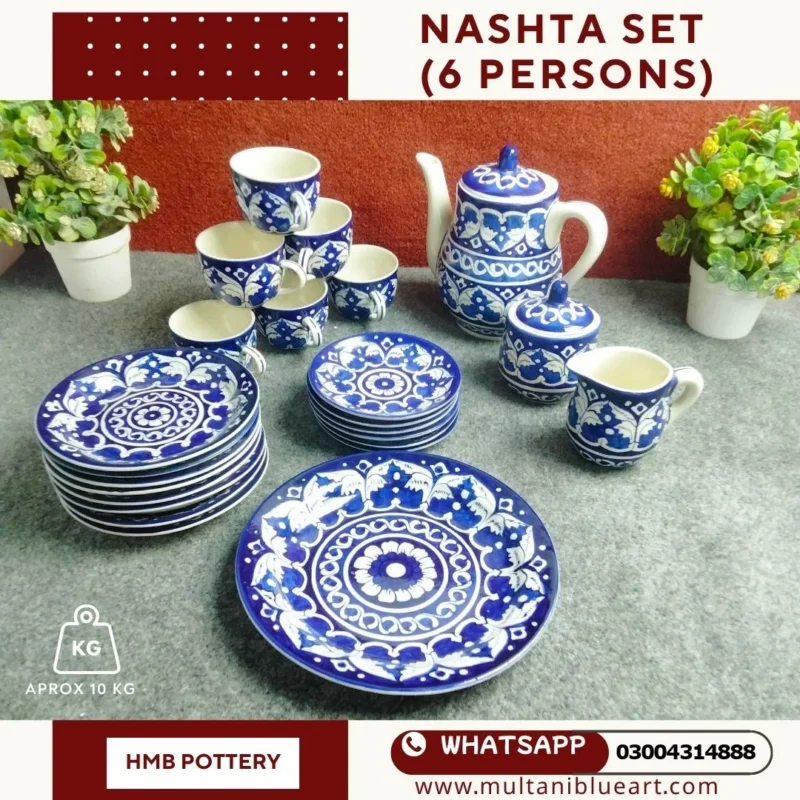
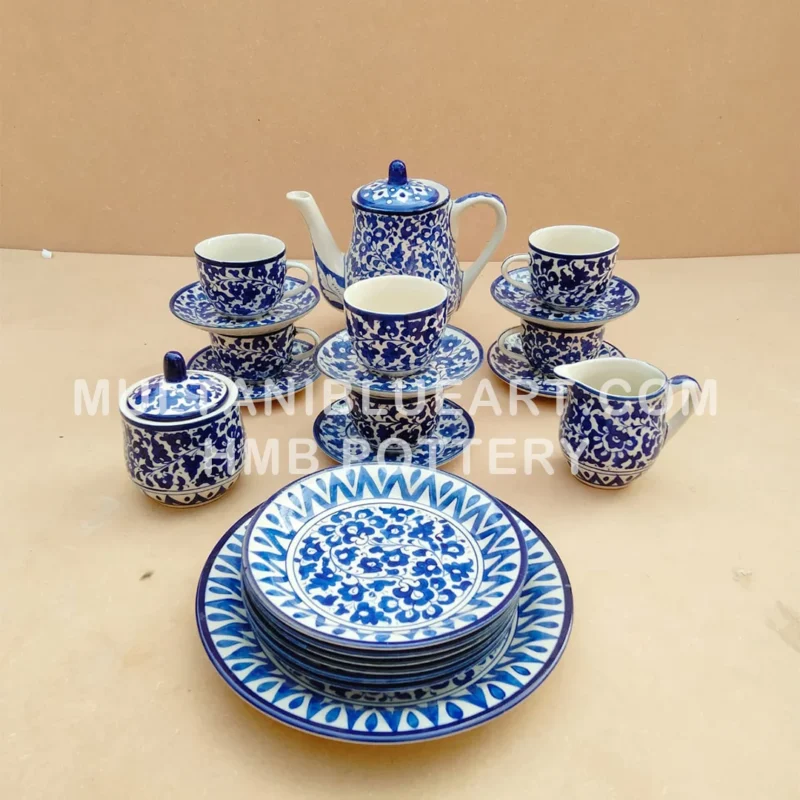
Nashta Set for 6 person (22 Pieces)
Original price was: ₨ 19,950.0.₨ 9,975.0Current price is: ₨ 9,975.0.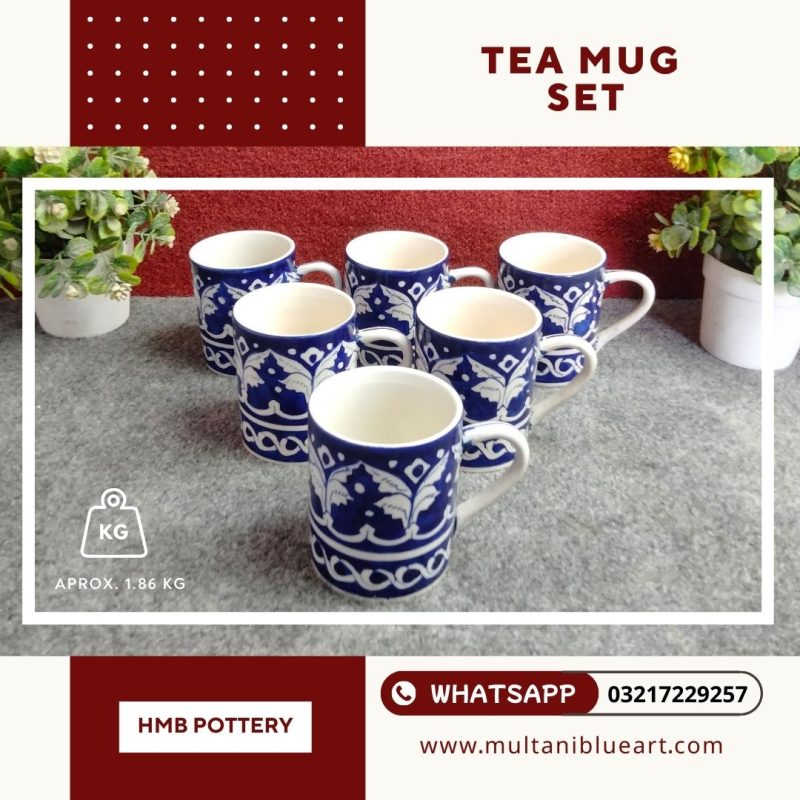
Tea Mug Set (Lid Less)
Original price was: ₨ 6,000.0.₨ 3,000.0Current price is: ₨ 3,000.0.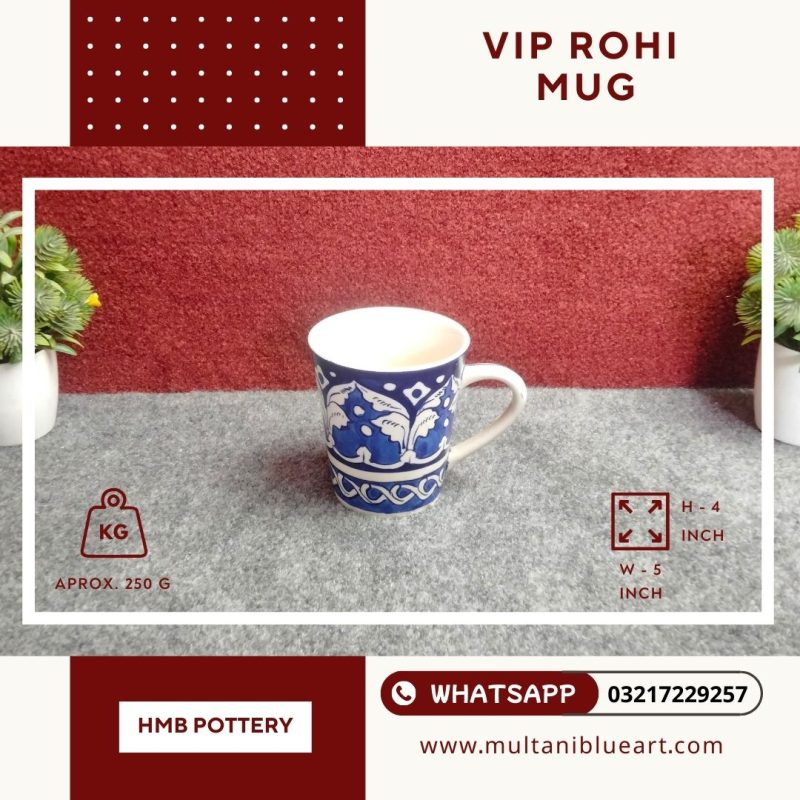
VIP Rohi Mug
Original price was: ₨ 850.0.₨ 425.0Current price is: ₨ 425.0.Regional Specialties
Each region of Pakistan produces distinct handicrafts: Punjab for blue pottery and khussa, Sindh for Ajrak, Balochistan for mirror embroidery, and Kashmir for carpets.
Each region in Pakistan boasts unique handicrafts that reflect its cultural heritage, history, and local resources. Here’s a closer look at some of the most notable regional specialties.
Sindh: Sindh, located in the southeastern part of Pakistan, is renowned for its bright and colorful handicrafts, deeply rooted in its deep cultural history.
Embroidery
Sindhi embroidery is famous for its detailed patterns and strong colors, often used to decorate garments, accessories, and home textiles.
This traditional craft involves the use of vivid threads and mirror work, creating elaborate designs that are both aesthetically pleasing and culturally significant. Techniques like ‘Ralli’ quilting and ‘Mochi’ embroidery are particularly notable.
Ajrak Block Printing
Ajrak is a traditional block-printed fabric, known for its distinctive geometric and floral patterns.
The process involves using natural dyes and wooden blocks to create detailed designs on cotton fabric. The deep indigo and red colors of Ajrak are symbolic of Sindh’s heritage, and the fabric is often used in shawls, scarves, and home decor.
Punjab: Punjab, the heartland of Pakistan, is celebrated for its diverse and sophisticated handicrafts, reflecting the region’s long historical and cultural influences.
Blue Pottery Ceramics (Kashi Kaari)
Blue pottery from Punjab, particularly Multan, is famous for its beautiful blue and white designs.
This craft, influenced by Persian, Chinese, and Mughal styles, involves creating pottery using a unique clay mixture and glazing it with cobalt blue dye. The resulting products, such as vases, tiles, and dishes, are prized for their elegance and durability.
Camel Bone Crafts
Multan is also known for its camel bone crafts, which are detailed and durable.
Artisans carefully clean, carve, and decorate camel bones to create items like jewelry, decorative pieces, and lamps. These crafts are admired for their detailed workmanship and the use of sustainable materials.
Khyber Pakhtunkhwa: The rugged terrain of Khyber Pakhtunkhwa (KPK) is home to artisans who excel in woodwork and marble carving, reflecting the region’s natural beauty and resources.
Woodwork
KPK’s woodwork is renowned for its detailed carvings and functional beauty.
Artisans in areas like Swat and Chiniot create furniture, doors, and decorative items with fine patterns and motifs. This craft often involves the use of walnut and deodar wood, known for their durability and fine grain.
Marble Carving
The marble carvings of KPK are known for their elegance and precision.
Using locally sourced marble, artisans create stunning sculptures, tiles, and decorative items. The fine detailing and smooth finishes highlight the skill and artistry involved in this craft.
Balochistan: Balochistan’s handicrafts are a reflection of its tribal heritage and the region’s harsh but beautiful landscape, known for carpet weaving and metalwork.
Carpet Weaving
Balochistan’s hand-woven carpets are famous for their fine designs and durability.
Using wool and natural dyes, artisans weave carpets with geometric patterns and deep colors. Each carpet tells a story, often reflecting the weaver’s tribal identity and cultural traditions.
Brass and Copper Work
The metalwork from Balochistan is renowned for its craftsmanship and traditional designs.
Artisans create a variety of items, including cookware, decorative pieces, and jewelry, using techniques passed down through generations. The fine engraving and embossing are characteristic of this region’s metalwork.
Gilgit-Baltistan: Gilgit-Baltistan, in the northernmost part of Pakistan, is known for its stunning natural landscapes and equally beautiful handicrafts, including stone jewelry and weaving.
Stone Jewelry
The region is rich in precious and semi-precious stones, which are used to create fine jewelry.
Artisans craft jewelry using stones like emeralds, rubies, and turquoise, set in silver or gold. The designs often incorporate traditional motifs, making each piece unique and reflective of the region’s heritage.
Weaving and Textiles
Weaving is an important craft in Gilgit-Baltistan, producing beautiful and practical textiles.
Using wool from local sheep, artisans create warm, durable textiles such as shawls, carpets, and blankets. Traditional patterns and natural dyes add to the cultural value and aesthetic appeal of these products.
Materials and Techniques
Pakistani handicrafts use clay, camel bone, wood, leather, wool, and cotton, shaped by hand techniques passed down through generations of artisans.
The handicrafts of Pakistan are crafted using a wide variety of materials, each selected for its unique properties and cultural significance.
Traditional techniques, honed over centuries, play a crucial role in shaping these materials into finely made works of art.
Modern adaptations and innovations continue to evolve these techniques, ensuring the survival and relevance of these crafts in contemporary markets.
Overview of Materials Used
Pakistani handicrafts are made from an array of natural and locally sourced materials, each contributing to the distinctiveness of the final product.
Wood & It’s Types:
Commonly used woods include walnut, deodar, rosewood, and shisham (Indian rosewood). Each type of wood has its own texture, grain, and workability, influencing the final appearance and durability of the craft.
Wood is used for carving furniture, decorative items, musical instruments, and more. The fine grain and durability of woods like walnut make them ideal for deep carvings.
Metal & It’s Types:
Brass, copper, silver, and iron are commonly used metals. Brass and copper are especially favored for their malleability and aesthetic appeal.
Metals are used to create utensils, jewelry, decorative pieces, and architectural elements. Techniques such as engraving, embossing, and inlay work are commonly employed.
Marble & It’s Types:
Pakistan is rich in various types of marble, including white, black, green, and onyx marble. Onyx, with its unique veining and translucence, is particularly valued.
Marble is carved into sculptures, decorative tiles, and household items like vases and bowls. Its natural beauty and durability make it a preferred material for high-end crafts.
Clay & It’s Types:
Red clay and white porcelain clay are commonly used. The choice of clay affects the final color and texture of the pottery.
Clay is used to make pottery, tiles, and decorative figurines. Techniques such as wheel-throwing, hand-building, and glazing are integral to the creation of ceramic items.
Fabric & It’s Types:
Cotton, silk, wool, and pashmina are widely used. Each type of fabric has its own qualities, affecting the craft’s texture and durability.
Fabrics are used in embroidery, weaving, block printing, and textile arts. The choice of fabric influences the technique and design of the craft.
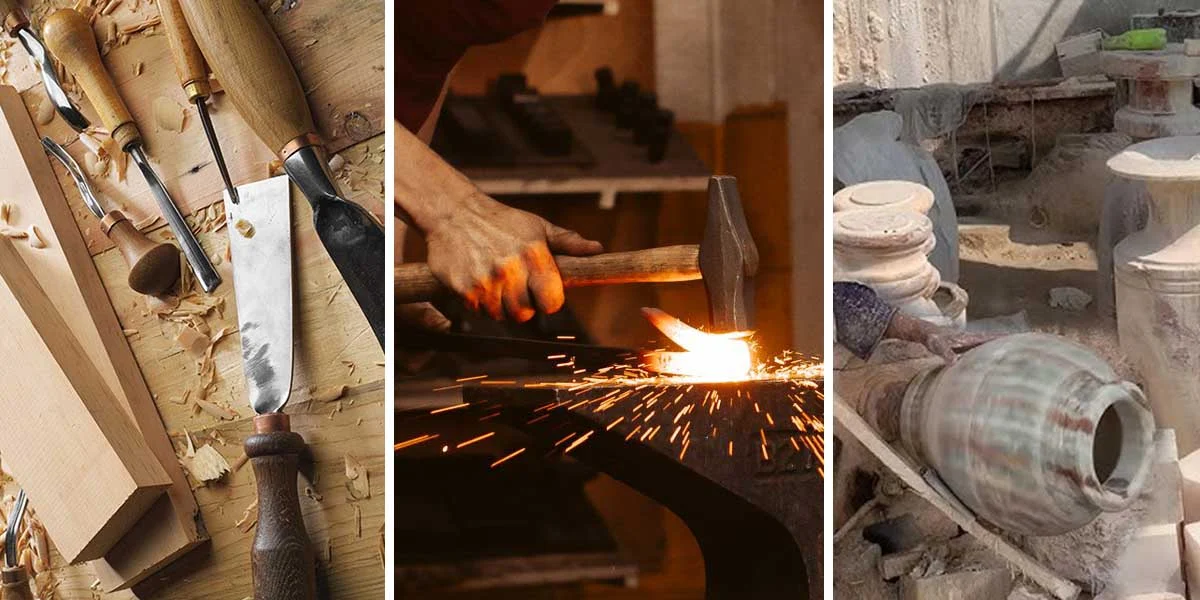
Traditional Techniques and Their Significance
The traditional techniques used in Pakistani handicrafts have been passed down through generations, each with its own cultural and historical significance.
Wood Carving Techniques:
Techniques include chip carving, relief carving, and inlay work. Artisans use chisels, gouges, and knives to create close-worked designs.
Wood carving is a deeply rooted tradition in regions like Chiniot and Swat. It reflects the local culture and is often used in religious and ceremonial contexts.
Metalworking Techniques:
Techniques include engraving, embossing, filigree, and casting. Artisans work with metals to create detailed patterns and forms.
Metalworking displays the high level of skill and artistry in regions like Peshawar and Lahore. It is a key part of the local economy and cultural heritage.
Marble Carving Techniques:
Techniques include chiseling, polishing, and inlay work. Marble is precisely shaped and finished to create smooth, detailed pieces.
Marble carving is an ancient craft, seen in historical monuments and modern decorative items. It symbolizes durability and beauty.
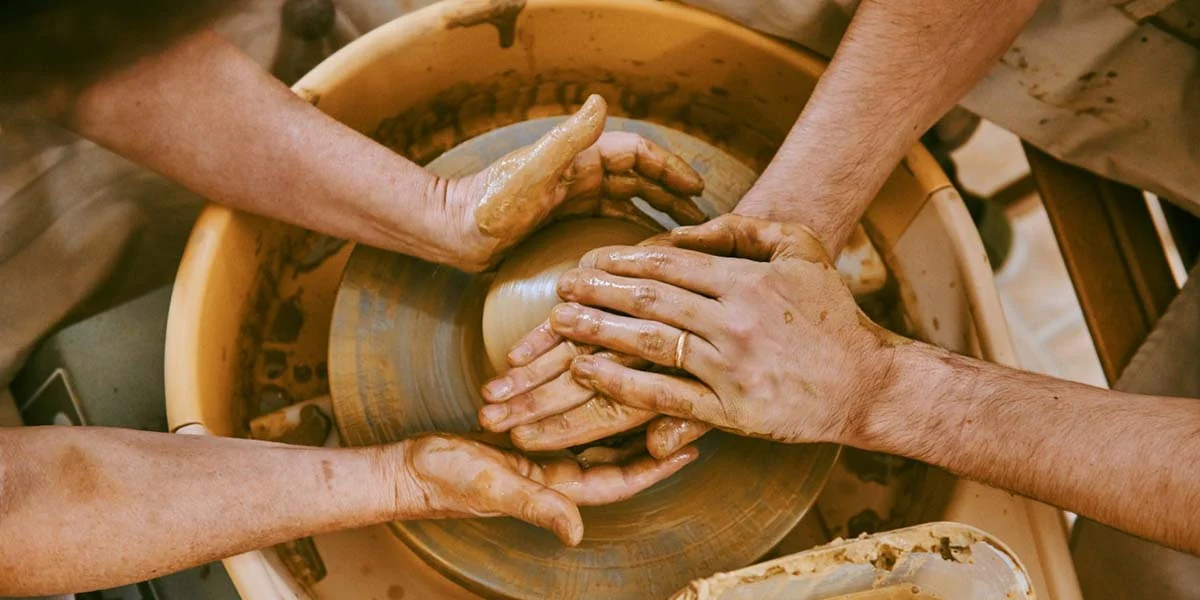
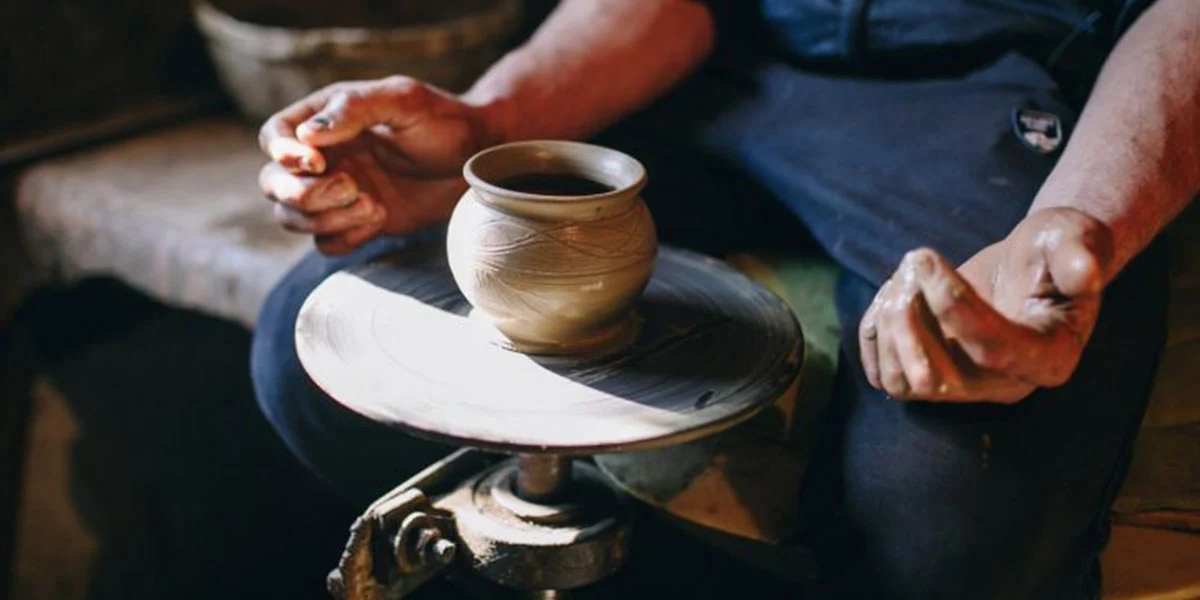
Pottery and Ceramics Techniques:
Techniques include wheel-throwing, hand-building, glazing, and firing. Artisans use these methods to shape and decorate clay items.
Pottery is a traditional craft in areas like Multan and Hala. It is both functional and decorative, often reflecting local motifs and designs.
Textile Arts Techniques:
Techniques include weaving, embroidery, block printing, and dyeing. Artisans use looms, needles, and blocks to create close patterns.
Textile arts are vital in regions like Sindh and Punjab. They play a significant role in cultural celebrations and daily life, symbolizing identity and heritage.
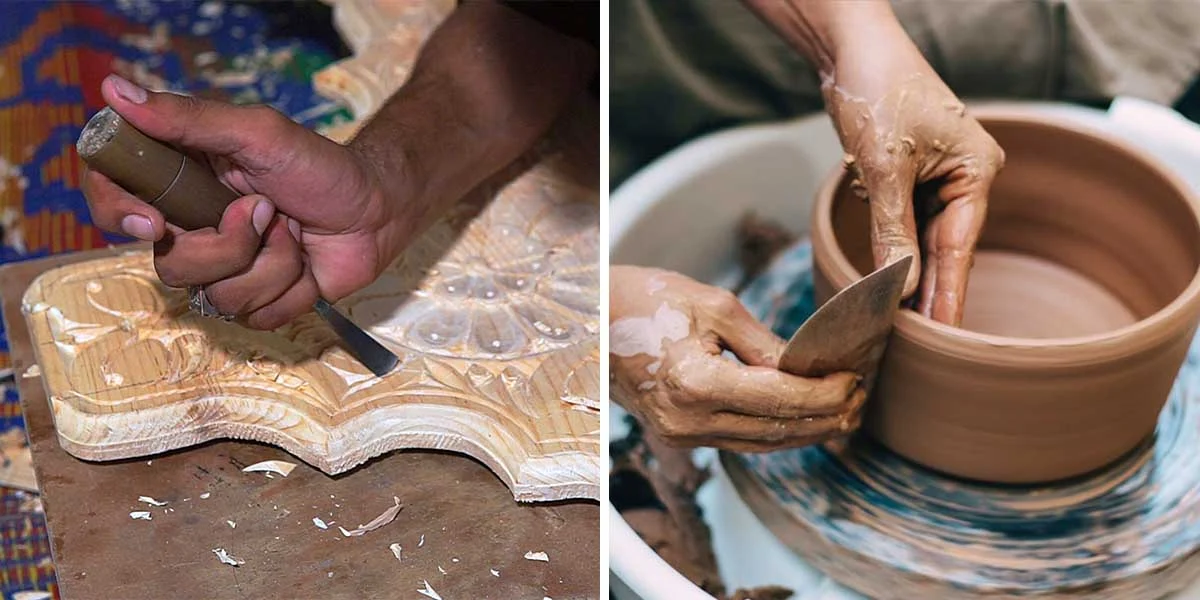
Traditional Techniques and Their Significance
Modern Adaptations and Innovations
While traditional techniques remain at the heart of Pakistani handicrafts, modern adaptations and innovations have emerged, helping to keep these crafts relevant in contemporary markets.
Integration of Modern Designs
Traditional motifs are combined with modern aesthetics in fashion, home decor, and accessories. This fusion appeals to contemporary tastes while preserving cultural elements.
This integration helps traditional crafts reach a wider audience, including younger generations and international markets.
Use of New Materials
Modern artisans incorporate materials like synthetic dyes, resins, and metals not traditionally used. This allows for new textures, colors, and forms.
The use of new materials expands the possibilities for design and functionality, making traditional crafts more versatile and innovative.
Technological Enhancements
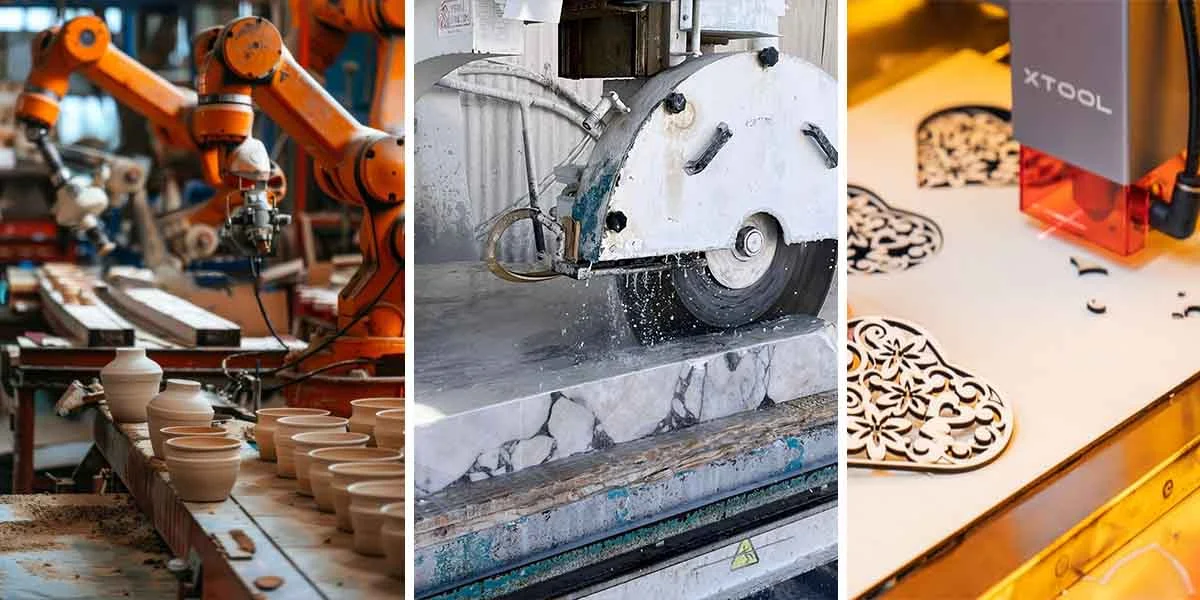
Techniques like laser cutting, 3D printing, and digital embroidery are being used to enhance precision and efficiency.
Technology allows artisans to produce elaborate designs more quickly and accurately, while also enabling mass production without compromising on quality.
Sustainable Practices
Eco-friendly practices such as using natural dyes, recycled materials, and sustainable sourcing of raw materials are becoming more prevalent.
Sustainability appeals to environmentally conscious consumers and ensures the long-term viability of traditional crafts.
Global Market Adaptation
Handicrafts are adapted to meet the preferences and standards of global markets. This includes changes in design, functionality, and packaging.
Adapting to global markets increases the export potential of Pakistani handicrafts, providing economic benefits to local artisans and preserving traditional crafts.
Modern Adaptations and Innovations
Key Handicrafts and Their Descriptions
The main handicrafts of Pakistan are blue pottery, camel-bone crafts, stone jewelry, woodwork, khussa, Ajrak, camel-bone lamps, weaving, and carpets.
Pakistani handicrafts are renowned for their hand-drawn designs, long history, and cultural significance.
Here is an in-depth look at some of the most prominent handicrafts, detailing their unique features, crafting processes, and cultural importance.
1. Blue Pottery Ceramics
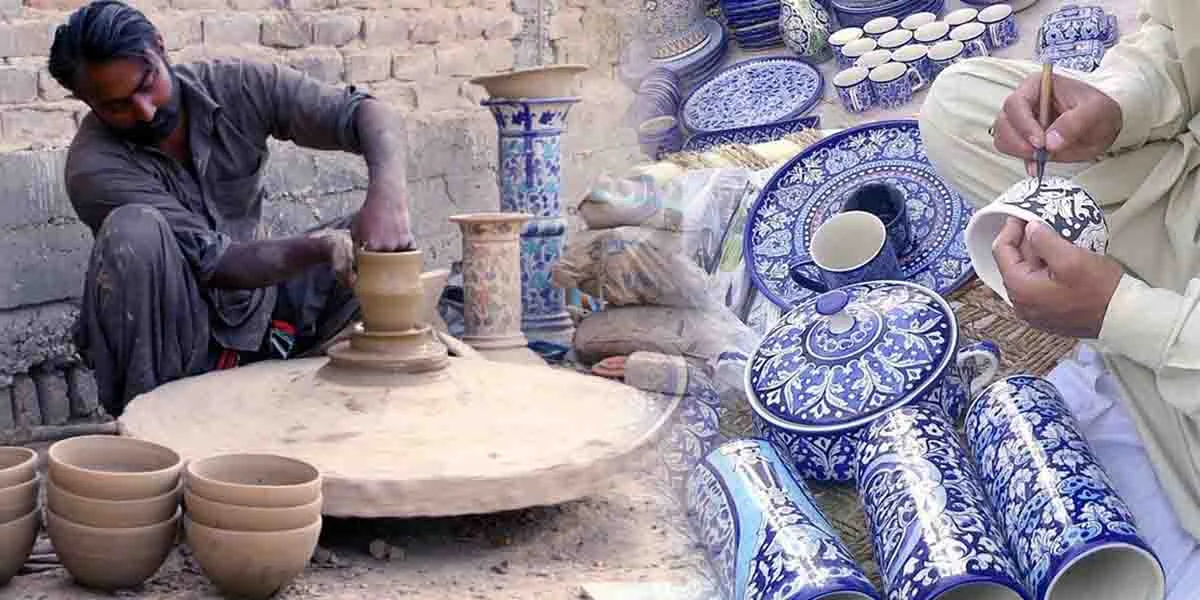
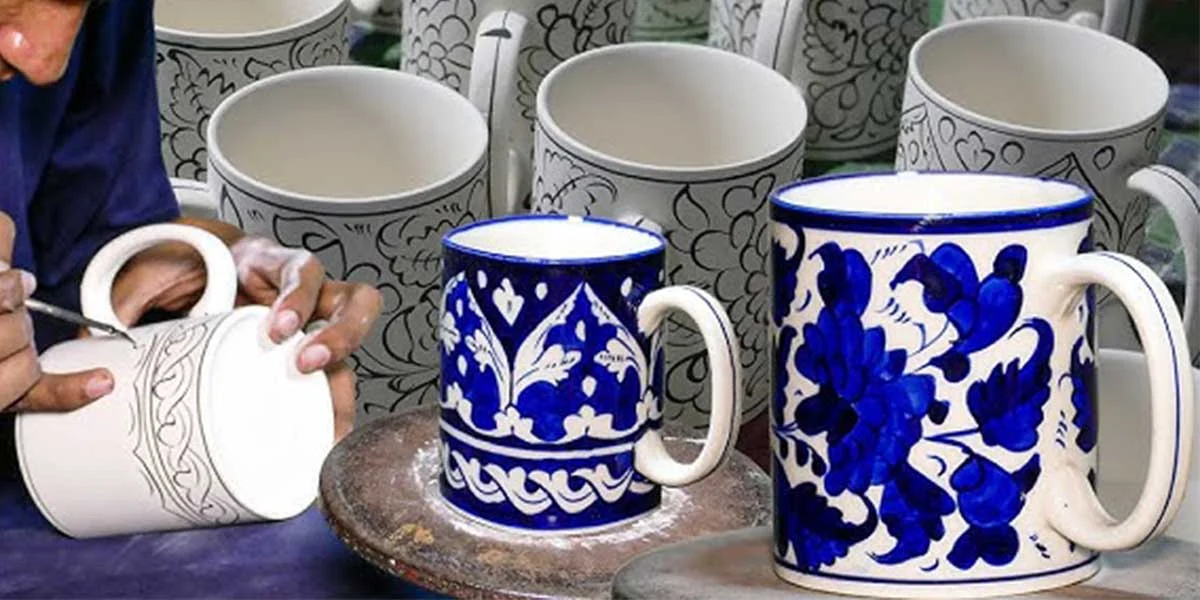
Blue Pottery Ceramics, known for their distinctive blue and white designs, are a hallmark of Pakistani craftsmanship, particularly from the Multan region.
History and Process:
Multani Blue Pottery, also known as Kashigari, is a traditional art form that originated in China and made its way to the Indian subcontinent via Iran around 664 AD. This art form saw further development when Muhammad Bin Qasim conquered Multan in 712 AD, bringing along skilled artisans.
The term “Kashigari” is linked to “Koshan,” a famous city in Iran, and “Kashgar,” a renowned city in China, both known for their pottery traditions. Over time, the blue pottery of Multan became famous for its distinctive blue hues and dense patterning, often seen in local shrines and historic buildings.
Distinct Features and Designs:
The defining characteristics of Blue Pottery Ceramics are their striking blue color and elaborate patterns.
Common designs include floral and geometric patterns, often inspired by Islamic art. The smooth, glossy finish and durability of these ceramics make them highly sought after for both decorative and functional purposes.
Blue Pottery Ceramics
2. Camel Bone Crafts
Camel bone crafts are unique to Pakistan, displaying the resourcefulness and creativity of local artisans.
Cleaning, Decorating, and Treating Process:
The process of creating camel bone crafts involves several careful steps to ensure quality and beauty.
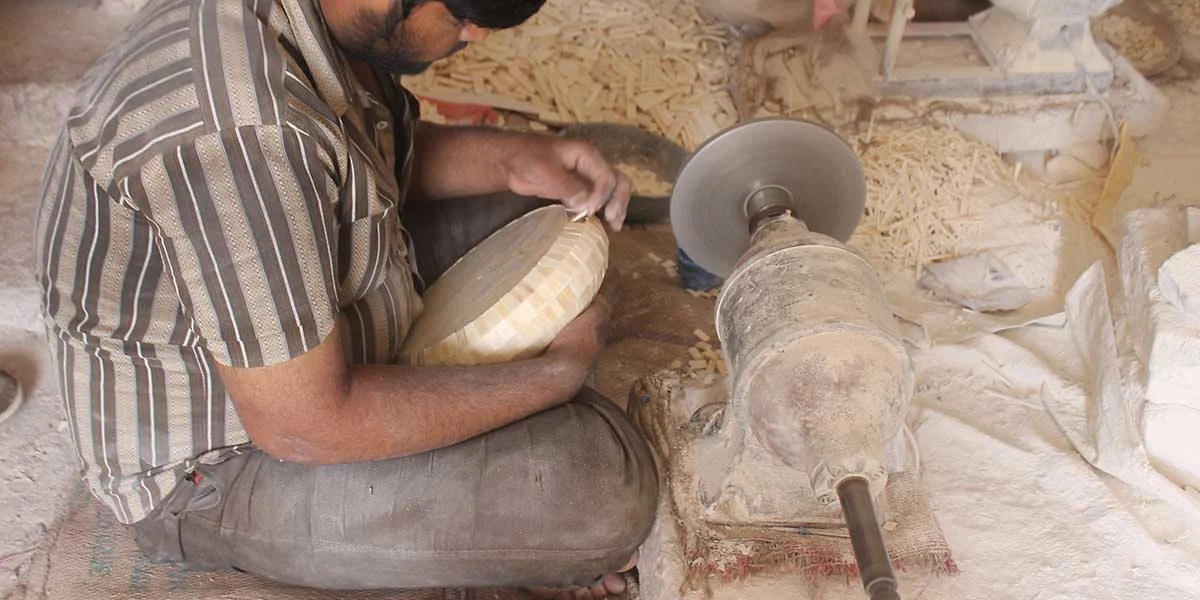
Artisans begin by thoroughly cleaning the bones, followed by carving and shaping them into desired forms. The pieces are then decorated by hand using various techniques such as inlay work and painting. Finally, the items are treated with wax and coatings to enhance their durability and aesthetic appeal.
Durability and finely drawn designs:
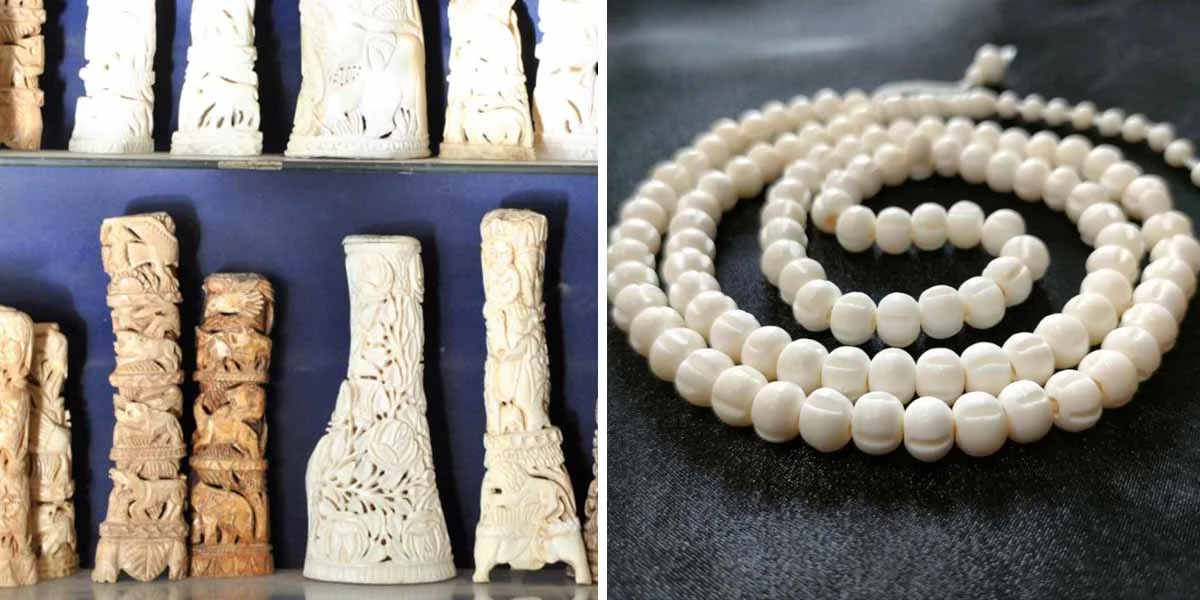
Camel bone crafts are known for their longevity and detailed craftsmanship.
The hardness of camel bone allows for fine carving and detailed designs. Items such as jewelry, decorative pieces, and lamps are created, each reflecting the artisan’s skill and creativity. These pieces often feature traditional motifs and patterns, making them culturally significant.
Camel Bone Crafts
3. Stone Jewelry
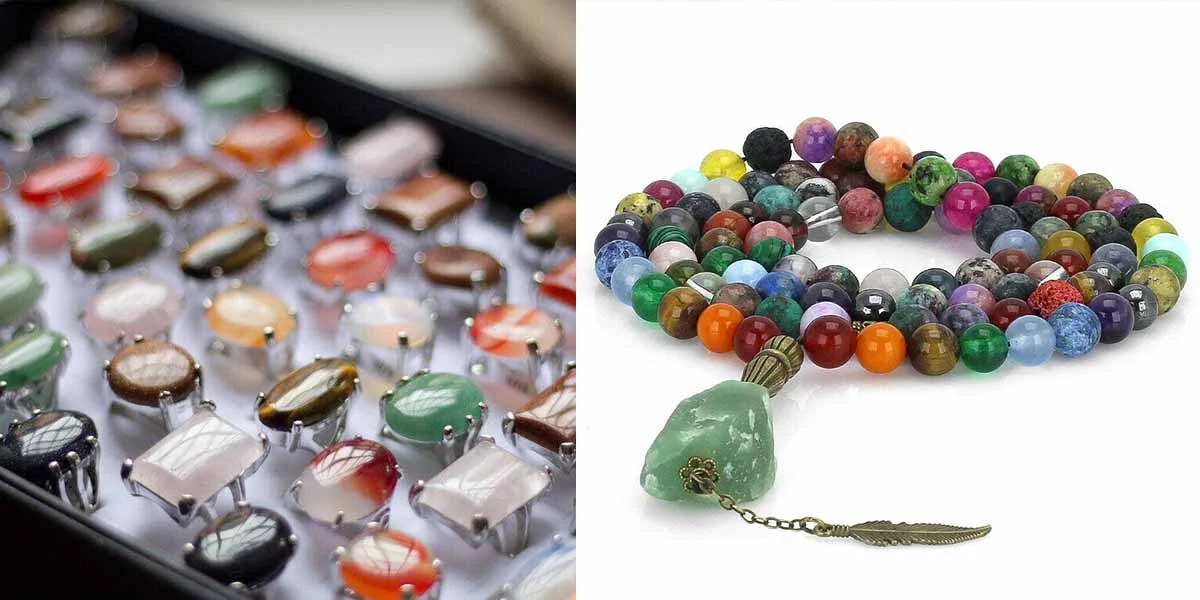
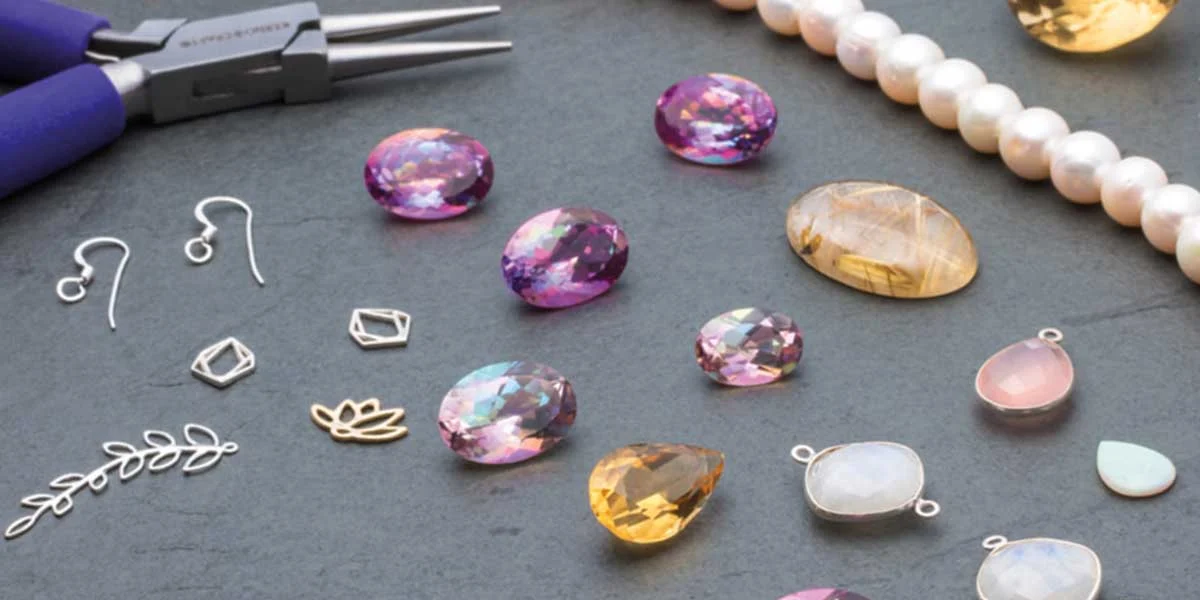
Stone jewelry from Pakistan is renowned for its use of precious and semi-precious stones, crafted into carefully made designs.
Types of Stones Used (Onyx, Emerald, Ruby, Turquoise):
A variety of stones are used in Pakistani jewelry, each chosen for its beauty and significance.
Commonly used stones include onyx, emeralds, rubies, and turquoise. Onyx is known for its striking green hues, while emeralds and rubies are prized for their saturated colors. Turquoise, with its distinctive blue-green shade, is also popular.
Crafting Process and Design Variations:
The creation of stone jewelry involves skilled craftsmanship and attention to detail.
Artisans cut and polish the stones, setting them into silver or gold to create finely worked jewelry pieces. Designs range from traditional to contemporary, often incorporating cultural motifs and symbols. Each piece is unique, reflecting the artisan’s creativity and the natural beauty of the stones.
Stone Jewelry
4. Wood Crafts
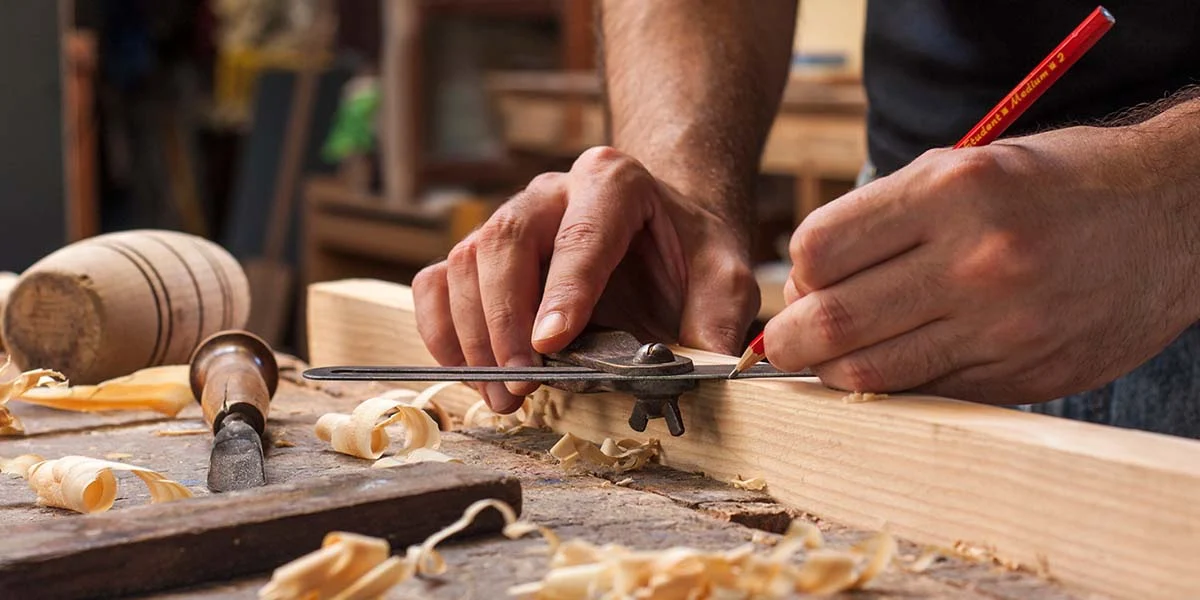
Wood crafts are a significant part of Pakistan’s artisanal heritage, which shows detailed carving and skilled craftsmanship.
Carving Techniques:
Various carving techniques are employed to create detailed and artistic wood crafts.
Techniques such as chip carving, relief carving, and inlay work are used to create hand-painted patterns and designs. Artisans use chisels, gouges, and knives to achieve precision and detail in their work. The choice of wood, such as walnut or rosewood, adds to the aesthetic and durability of the pieces.
Furniture and Decorative Items:
Wood crafts encompass a wide range of products, from functional furniture to decorative items.
Artisans create beautifully carved furniture, including chairs, tables, and cabinets, as well as smaller decorative items like picture frames and boxes. The designs often feature traditional motifs and patterns, reflecting the cultural heritage of the region.
Wood Crafts
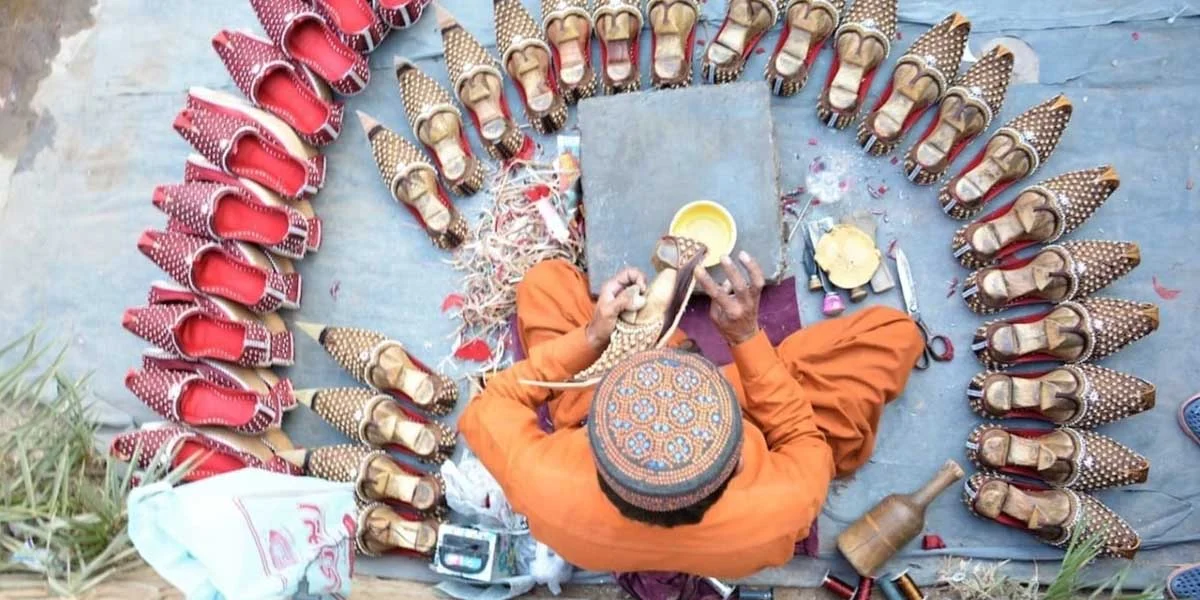
5. Khussa – Leather Footwear
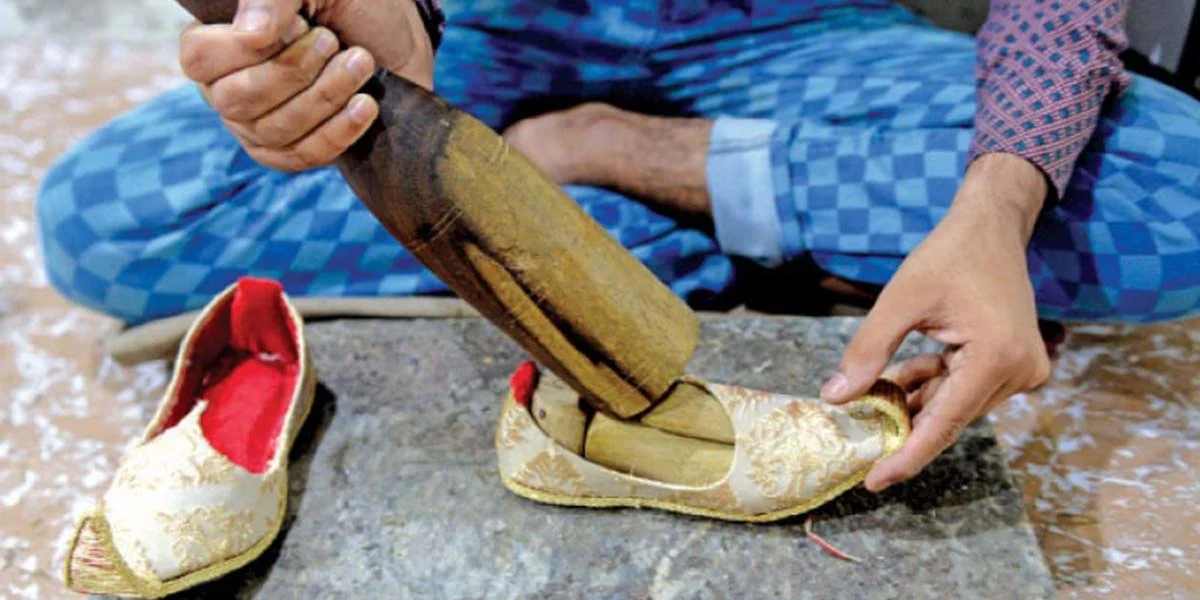
Khussa, traditional leather footwear, is known for its elaborate embroidery and cultural significance in Pakistan.
Embroidery and Motifs:
The defining feature of Khussa is the dense embroidery and decorative motifs.
Artisans use colorful threads, beads, and sequins to create elaborate designs on leather. Traditional motifs, such as floral and geometric patterns, are commonly used. Each pair is handcrafted, ensuring uniqueness and high quality.
Cultural Significance and Modern Usage:
Khussa holds a special place in Pakistani culture and fashion.
Traditionally worn on special occasions, Khussa has become popular in modern fashion for its comfort and style. It is often paired with traditional attire and is appreciated for its artistic value and cultural heritage.
Khussa – Leather Footwear
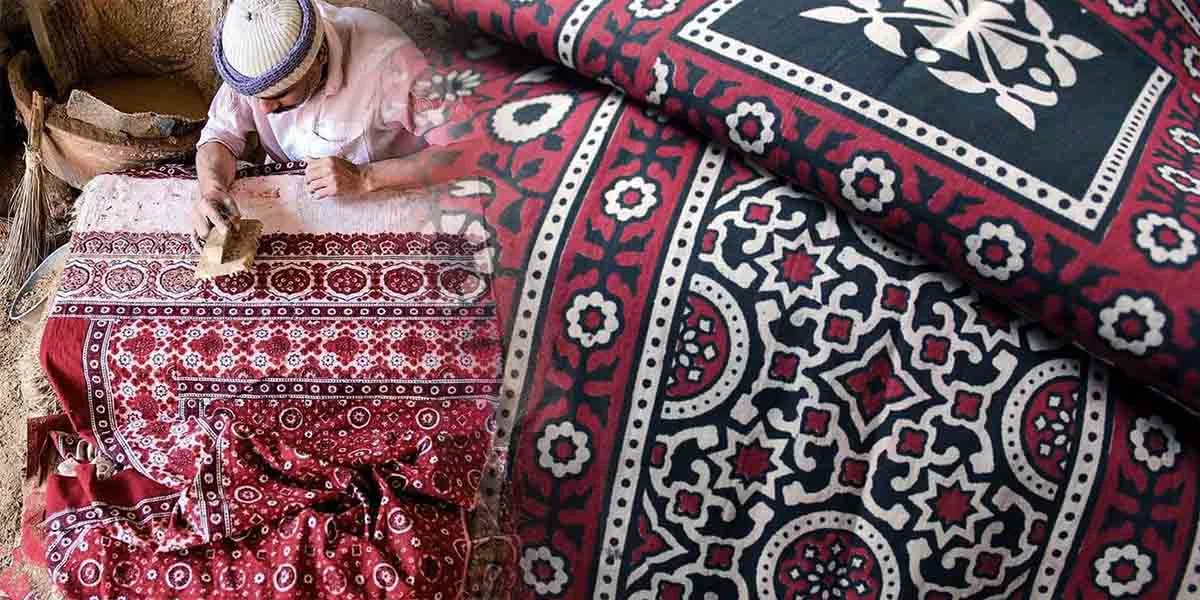
6. Ajrak
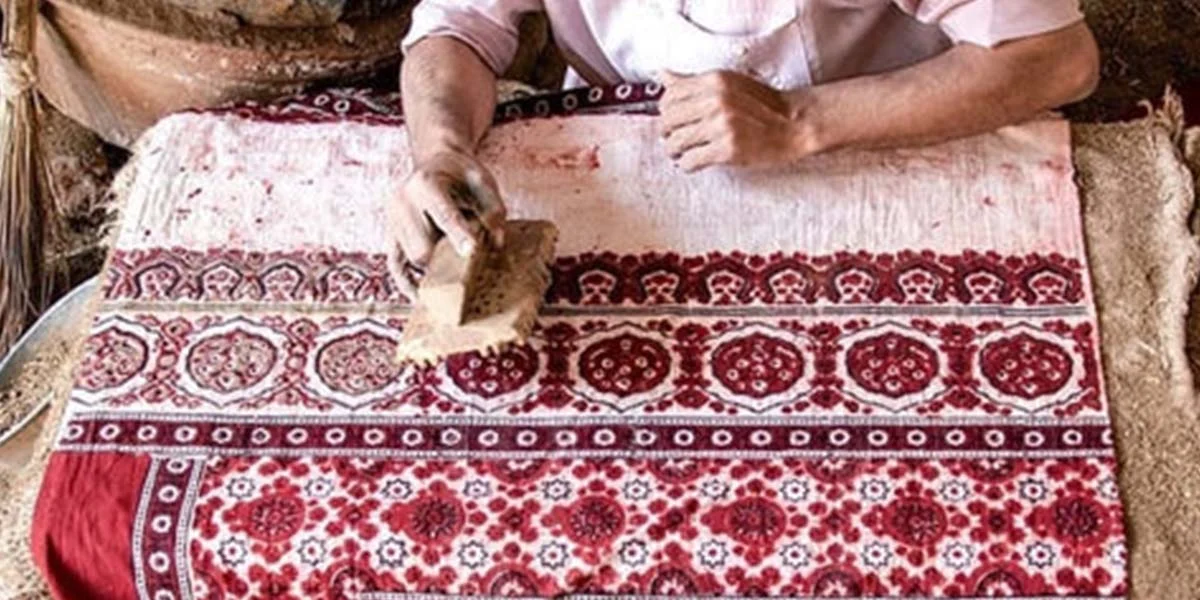
Ajrak is a traditional block-printed fabric from Sindh, known for its deep colors and detailed designs.
Block Printing Process:
The creation of Ajrak involves a complex and detailed block printing process.
Artisans use wooden blocks to print dense patterns onto cotton fabric, using natural dyes. The process involves several stages of dyeing, washing, and printing to achieve the desired design and color. The deep indigo and red hues are characteristic of Ajrak.
Historical and Cultural Importance:
Ajrak holds significant historical and cultural value in Sindh.
This fabric has been used for centuries and is an important part of Sindhi cultural identity. It is worn during special occasions and ceremonies, symbolizing tradition and heritage. The fine designs and natural dyes reflect the region’s artistic and environmental ethos.
Ajrak
7. Camel Bone Lamps
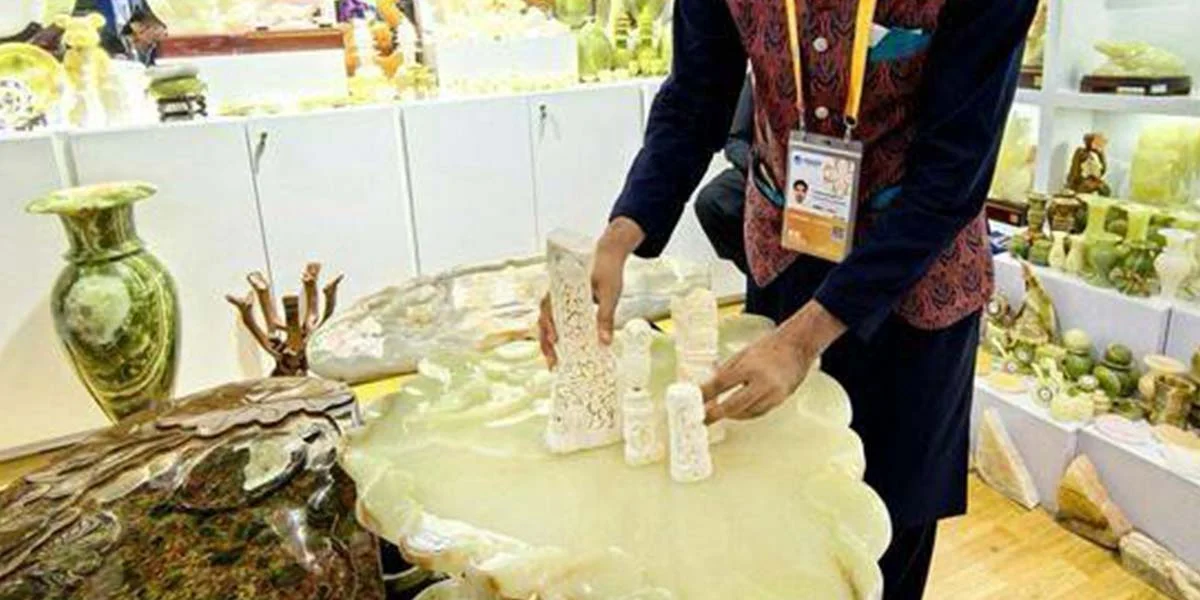
Camel bone lamps are a unique and artistic craft from Pakistan, displaying the creativity and skill of local artisans.
Creation Process:
The process of creating camel bone lamps involves several exacting steps.
Artisans start by cleaning and treating the camel bone, then carefully carving and shaping it into lamp bases and shades. The pieces are often decorated with geometric patterning and motifs, sometimes incorporating inlay work or painting. The lamps are then assembled and fitted with lighting components.
Unique Features and Aesthetics:
Camel bone lamps are admired for their unique appearance and detailed craftsmanship.
The natural translucence of camel bone creates a warm, ambient light, highlighting the relief carving and designs. These lamps are functional and serve as decorative pieces, adding a touch of elegance and cultural richness to any space.
Camel Bone Lamps
8. Weaving and Textiles
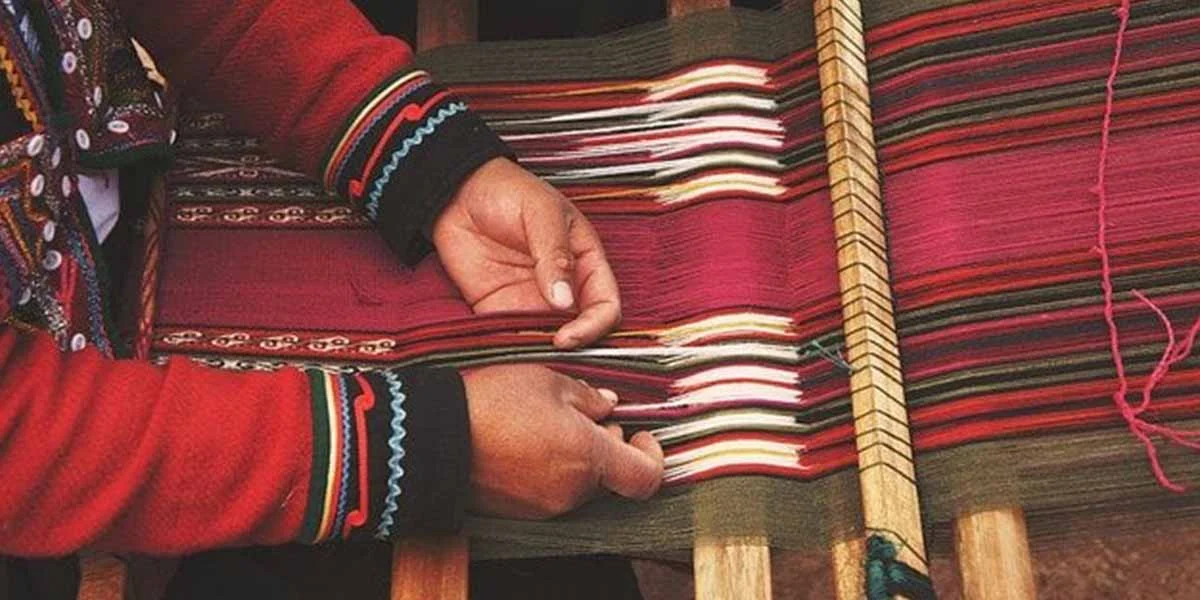
Weaving and textile crafts are an integral part of Pakistan’s artisanal traditions, featuring a variety of techniques and designs.
Rilli Patchwork Quilting:
Rilli is a traditional patchwork quilting technique from Sindh, known for its colorful and close-worked designs.
Artisans create Rilli quilts by stitching together small pieces of fabric in various colors and patterns. The process involves exacting handwork, resulting in bright, geometric designs. Rilli quilts are used for bedding, wall hangings, and decorative purposes.
Kashmiri Embroidery:
Kashmiri embroidery is renowned for its delicate and detailed needlework.
This embroidery technique involves using fine threads to create detailed patterns on fabric, often depicting floral and paisley motifs. The craftsmanship is careful, and the resulting textiles, such as shawls and garments, are highly prized for their beauty and elegance.
Weaving and Textiles
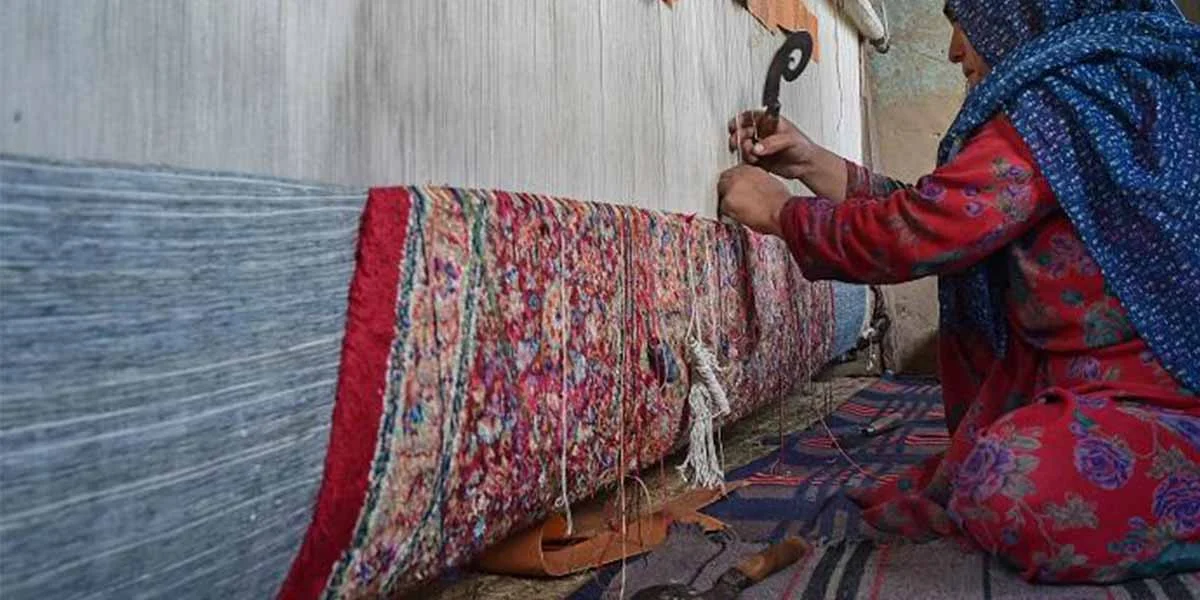
9. Carpets
Pakistani carpets are famous for their high quality and elaborate designs, reflecting a long tradition of carpet weaving.
Weaving Techniques:
Carpet weaving in Pakistan involves traditional techniques passed down through generations.
Artisans use handlooms to weave carpets from wool or silk, incorporating detailed patterns and bright colors. Techniques such as knotting and tufting are used to achieve the desired texture and design. The process is labor-intensive, requiring skill and precision.
Regional Styles and Designs:
Different regions in Pakistan have their own distinctive carpet styles and designs.
For example, carpets from Baluchistan often feature bold geometric patterns, while those from the northern regions might display dense floral designs. Each style reflects the cultural and artistic influences of its region, making Pakistani carpets diverse and unique.
Carpets
10. Truck Art
Truck art is the painted and hammered decoration of trucks, buses and rickshaws, and it is the Pakistani folk art most recognised outside the country.
How a Truck Is Decorated:
A vehicle is stripped, primed and then worked on by several trades at once.
Painters apply enamel by hand, panel by panel, working without stencils. Metal workers cut and beat steel and aluminium sheet into fringes, bumpers and door plates. Others add plastic appliqué, mirror chips, reflective tape and hanging chains that sound as the truck moves. A full job takes several weeks and often costs the owner more than a year of mechanical maintenance.
Subjects and Meaning:
The imagery follows conventions rather than the painter’s free choice.
Common subjects are flowers, peacocks, eagles, ibex, mosques, mountain lakes, and portraits of poets, saints and public figures. Rear panels carry couplets in Urdu, Pashto or Punjabi, often about love, absence, a mother’s prayers or the road itself. The decoration is understood as protection and as a claim to pride in the vehicle, not as advertising.
Where It Is Made:
The main workshops are in Karachi’s Garden and Hyderi areas, Pirwadhai in Rawalpindi, and along the Ring Road in Peshawar. Each centre has its own palette and lettering style. In recent years the same painters have moved the style onto furniture, homeware, luggage and fashion, which has given younger artists in the trade steady work.
11. Peshawari Chappal
The Peshawari chappal is a flat leather sandal from Khyber Pakhtunkhwa, worn across Pakistan and Afghanistan.
Construction:
The sandal is built from two wide interwoven leather straps over a leather sole.
Traditional pairs use vegetable-tanned buffalo or cow hide, hand-stitched, with a sole that was once cut from used tyre rubber and is now more often layered leather or rubber compound. There is no left or right in the older patterns, and the sandal moulds to the wearer’s foot over time.
Regional Variations:
Peshawar produces the classic double-strap form. Charsadda is known for a heavier version with a thicker sole, the Charsaddawal, and Quetta produces a narrower Balochi cut. Norozi and Kaptaan styles are named for the figures who popularised them.
12. Phulkari Embroidery
Phulkari, meaning flower work, is the folk embroidery of Punjab.
Technique:
Phulkari is worked in darn stitch with floss silk thread on coarse handspun cotton khaddar.
The embroiderer works from the reverse of the cloth, counting threads, so the pattern appears on the front. Because the stitch lies in different directions, the silk catches light differently across the cloth and the pattern seems to shift as the wearer moves. Traditional grounds are madder red, rust or indigo, with thread in gold, yellow, white and crimson.
Types and Occasions:
A bagh, meaning garden, is embroidered so densely that the ground cloth disappears, and is made for weddings. A chope is worked along the edges and given by a grandmother to a bride. Everyday phulkari is worked more sparsely. Pieces were traditionally begun at a girl’s birth and worked on for years by the women of the household.
13. Sindhi Topi and Cap Making
The Sindhi topi is a cylindrical cap with a cut-out arch at the front, worn with an ajrak as the everyday formal dress of Sindh.
Making the Cap:
The cap is stitched from cotton or velvet and then embroidered and set with small mirrors.
The front arch is cut away so the cap does not obstruct prostration in prayer. Geometric embroidery in silk thread covers the band, and shisha, small mirror discs, are stitched in with a looped border. A good cap takes several days and is usually the work of women embroiderers at home.
Centres and Occasions:
Larkana, Tharparkar and Umerkot are the main centres. The cap and the ajrak together are worn at weddings, at Eid and on Sindhi Culture Day, observed on the first Sunday of December.
14. Chitrali Pakol and Woollens
Chitral in northern Khyber Pakhtunkhwa produces woollen caps and cloth suited to high-altitude winters.
The Pakol:
The pakol is a soft round wool cap with a rolled brim.
It is made from a single piece of woollen cloth, fulled and shaped over a form, then rolled up from the edge so the depth can be adjusted to the wearer’s head and the weather. Natural undyed wool in grey, brown and off-white is traditional.
Shu Cloth:
Shu is a hand-woven woollen cloth from the same region, spun from local sheep wool and woven on narrow looms.
It is used for the chugha, a long overcoat, and for waistcoats and shawls. The cloth is dense enough to turn wind and light snow, and is finished by fulling in cold river water.
15. Kalash Beadwork and Headdresses
The Kalash people of the Bumburet, Rumbur and Birir valleys in Chitral make some of the most distinctive dress in Pakistan.
The Kupas and Shushut:
Kalash women wear a beaded headdress that is worked over months.
The kupas is a tall ceremonial headdress and the shushut a lighter daily one, both built on a woollen band and covered in glass beads, cowrie shells, buttons and small bells. The colors are read as a record of the maker, and a completed kupas can weigh over two kilograms.
Necklaces and Belts:
Multi-strand bead necklaces are worn in quantity, often layered until they cover the chest, together with woven woollen belts. The beadwork is made by the women themselves rather than bought, and pieces are added to over a lifetime.
16. Mehndi and Henna Art
Mehndi is the application of henna paste to the hands and feet, worked freehand and worn for weddings and Eid.
Preparation and Application:
Henna leaves are dried, milled and sieved, then mixed with lemon juice, sugar and essential oil and rested overnight so the dye releases.
The paste is piped through a rolled plastic cone. The design is drawn without a guide and left to dry for several hours; the longer it stays on, the darker the stain. color deepens for a day or two after the paste is scraped off.
Regional Styles:
Pakistani mehndi typically combines fine floral and paisley work with open space, sitting between the dense coverage of Indian bridal designs and the bolder, more geometric Arabic style. Bridal work covers the hands, forearms and feet and can take six hours or more.
Handicrafts of Pakistan by Region and City
Most Pakistani crafts are tied to a specific city or district, usually because of local raw material, an old trade route, or a shrine that drew craftsmen to the area. The table below shows where each craft is worked.
| Craft | Province or region | Main centres |
|---|---|---|
| Blue pottery (Kashigari) | Punjab | Multan |
| Glazed tile work | Punjab, Sindh | Multan, Hala, Nasirpur |
| Ajrak block printing | Sindh | Bhit Shah, Hala, Matiari |
| Truck art | Sindh, Punjab, Khyber Pakhtunkhwa | Karachi, Rawalpindi, Peshawar |
| Khussa footwear | Punjab | Multan, Kasur, Bahawalpur |
| Peshawari chappal | Khyber Pakhtunkhwa | Peshawar, Charsadda |
| Phulkari embroidery | Punjab | Hazara belt, central Punjab |
| Sindhi topi | Sindh | Larkana, Tharparkar, Umerkot |
| Ralli quilts | Sindh, southern Punjab | Tharparkar, Bahawalpur |
| Mirror work (shisha) | Balochistan, Sindh | Quetta, Tharparkar |
| Camel bone and camel skin lamps | Punjab | Multan, Bahawalpur |
| Wood carving | Punjab, Khyber Pakhtunkhwa | Chiniot, Swat |
| Carpets and rugs | Balochistan, Khyber Pakhtunkhwa, Punjab | Quetta, Peshawar, Lahore |
| Onyx and marble | Balochistan, Khyber Pakhtunkhwa | Quetta, Khyber district |
| Pakol caps and shu cloth | Khyber Pakhtunkhwa | Chitral |
| Kalash beadwork | Khyber Pakhtunkhwa | Bumburet, Rumbur, Birir |
| Sports goods and leather | Punjab | Sialkot |
Materials Used in Pakistani Handicrafts
Almost every craft on this list is built on a material found close to where it is worked. The table below sets out the main ones.
| Material | Used for | Sourced from |
|---|---|---|
| Clay and quartz sand | Blue pottery, glazed tiles, terracotta | Indus river beds near Multan |
| Cobalt and copper oxide | Blue and turquoise glazes | Imported minerals, ground locally |
| Cotton and khaddar | Ajrak, phulkari ground cloth, block prints | Punjab and Sindh cotton belt |
| Floss silk thread | Phulkari, Sindhi cap embroidery | Domestic and imported |
| Sheep and goat wool | Carpets, shu cloth, pakol caps, felt | Balochistan, Chitral, northern ranges |
| Vegetable-tanned leather | Khussa, Peshawari chappal, sports goods | Kasur, Sialkot tanneries |
| Camel bone and hide | Inlay work, jewellery boxes, skin lamps | Multan, Bahawalpur |
| Sheesham and walnut wood | Furniture, carving, lacquer work | Chiniot, Swat |
| Onyx, marble and gemstones | Tableware, jewellery, ornaments | Balochistan, Khyber Pakhtunkhwa |
| Natural dyes (indigo, madder) | Ajrak, phulkari thread, wool | Sindh and Punjab |
Challenges and Preservation Efforts
Pakistani handicrafts face industrialization, low-wage labor, and a declining number of artisans, countered by craft cooperatives and brands such as Multani Blue Art.
The handicrafts of Pakistan, rich in cultural and historical significance, face numerous challenges in the modern era. Efforts to preserve and promote these traditional crafts are crucial to maintaining the country’s artisanal heritage.
Threats to Traditional Handicrafts (Industrialization, Low-Wage Labor)
Traditional handicrafts in Pakistan are under threat due to various economic and social factors, primarily driven by industrialization and the prevalence of low-wage labor.
Industrialization:
The rapid growth of industrialization poses significant challenges to traditional handicrafts.
With the rise of mass production, handmade crafts struggle to compete with cheaper, machine-made goods. Industrialization leads to the proliferation of synthetic and standardized products, diminishing the demand for unique, handcrafted items. This shift impacts the livelihoods of artisans, who find it increasingly difficult to sustain their craft.
Low-Wage Labor:
The exploitation of low-wage labor further exacerbates the challenges faced by traditional artisans.
In many regions, artisans are paid meager wages that do not reflect the skill and effort required to produce high-quality handicrafts. This economic disparity discourages younger generations from pursuing traditional crafts, leading to a decline in the number of skilled artisans. The focus on cheap labor also results in compromised quality and loss of traditional techniques.
Efforts to Preserve and Promote These Crafts
Numerous efforts are underway to preserve and promote traditional handicrafts, ensuring their survival and continued relevance in contemporary society.
Government Initiatives:
Government support plays a crucial role in the preservation of traditional crafts.
Various government programs and policies aim to support artisans through funding, training, and infrastructure development. Initiatives such as craft fairs, exhibitions, and cultural festivals provide platforms for artisans to reflect their work and connect with broader markets. Also, subsidies and grants help artisans sustain their craft and improve their economic conditions.
Educational Programs:
Education and training are vital in preserving traditional craftsmanship.
Artisanal training programs and workshops are organized to teach traditional techniques to new generations. Educational institutions collaborate with artisans to integrate traditional crafts into formal curriculums, ensuring that these skills are passed down. This focus on education helps maintain the quality and authenticity of handicrafts while inspiring innovation.
Marketing and Promotion:
Effective marketing and promotion strategies are essential for increasing the visibility and demand for traditional handicrafts.
Efforts to market traditional crafts include the use of social media, online marketplaces, and collaborations with fashion designers. Artisans are encouraged to participate in international trade shows and exhibitions, expanding their reach to global markets. Branding initiatives highlight the cultural and artistic value of handicrafts, appealing to both local and international consumers.
Role of Organizations like “Multani Blue Art”
Organizations dedicated to the promotion and preservation of traditional crafts, such as “Multani Blue Art,” play a pivotal role in supporting artisans and sustaining cultural heritage.
Support for Artisans:
“Multani Blue Art” and similar organizations provide essential support to artisans, enhancing their ability to sustain and grow their craft.
These organizations offer financial assistance, resources, and tools to artisans, helping them improve their production capabilities. They also facilitate access to markets, enabling artisans to sell their products at fair prices. Through mentorship and networking opportunities, artisans can connect with industry experts and peers, fostering a collaborative and supportive community.
Promotion of Cultural Heritage:
Promoting cultural heritage is a core mission of organizations like “Multani Blue Art.”
These organizations actively work to raise awareness about the cultural and historical significance of traditional handicrafts. They organize exhibitions, workshops, and cultural events that celebrate and demonstrate the diversity of Pakistani crafts. By documenting and sharing the stories of artisans and their crafts, they help preserve intangible cultural heritage for future generations.
Innovation and Adaptation:
Innovation and adaptation are key strategies employed by organizations to ensure the continued relevance of traditional crafts.
“Multani Blue Art” encourages artisans to experiment with new designs, materials, and techniques, blending tradition with modernity. This approach attracts contemporary consumers and keeps the craft dynamic and evolving. Collaborative projects with designers and artists introduce fresh perspectives, driving innovation while respecting traditional roots.
Economic and Social Impact
Handicrafts contribute to Pakistan’s export economy and provide income for artisan communities, especially women and rural workers.
The handicrafts sector in Pakistan is a vital part of the cultural fabric and plays a significant role in the economic and social landscape.
Understanding its impact helps highlight the importance of supporting and preserving traditional crafts.
Contribution to the Local Economy
The handicrafts industry is a crucial contributor to the local economy, providing employment and generating income for communities across Pakistan.
Employment Opportunities:
The handicrafts sector creates numerous job opportunities for skilled and unskilled workers.
From artisans and craftsmen to suppliers of raw materials, the industry supports a wide range of employment. This sector is particularly important in rural areas where alternative job opportunities might be limited. By providing stable income sources, handicrafts help alleviate poverty and improve living standards.
Income Generation:
Handicrafts significantly contribute to the income of local communities through domestic sales and exports.
The sale of handicraft products in local and international markets generates substantial revenue. This income supports the artisans and their families and local businesses and markets involved in the supply chain. Also, handicrafts attract tourism, further boosting the local economy through spending on related services and products.
Export Earnings:
Handicrafts are an important export commodity for Pakistan, enhancing the country’s trade balance.
Pakistani handicrafts are highly valued in global markets for their uniqueness and quality. The export of items such as textiles, ceramics, and jewelry brings in foreign exchange, contributing to the national economy. This export revenue supports economic stability and growth, highlighting the importance of promoting handicrafts on an international scale.
Impact on Artisan Communities
The handicrafts sector profoundly impacts artisan communities, influencing their socio-economic conditions and cultural continuity.
Preservation of Cultural Heritage:
Handicrafts play a key role in preserving and perpetuating cultural heritage within artisan communities.
Traditional crafts embody the history, customs, and artistic expressions of different regions. By practicing and teaching these crafts, artisans keep cultural traditions alive, ensuring their transmission to future generations. This preservation fosters a sense of pride and identity within communities, strengthening social cohesion.
Empowerment and Skill Development:
The handicrafts industry empowers artisans by enhancing their skills and providing economic independence.
Engaging in handicraft production allows artisans to develop specialized skills, increasing their employability and marketability. The income generated from handicrafts enables artisans, especially women, to gain financial independence and contribute to household incomes. This economic empowerment boosts self-esteem and encourages greater participation in community and social activities.
Community Development:
Handicrafts contribute to the overall development and well-being of artisan communities.
The economic benefits of handicrafts often lead to improved infrastructure and social services in artisan communities. Increased income allows for better access to education, healthcare, and housing. Community development projects supported by revenues from handicrafts enhance the quality of life and foster sustainable growth.
Importance of Supporting Traditional Crafts
Supporting traditional crafts is essential for sustaining the economic and social benefits they provide, as well as for preserving cultural heritage.
Economic Sustainability:
Ensuring the sustainability of traditional crafts is vital for maintaining their economic contributions.
Support for traditional crafts can be provided through government policies, financial assistance, and market development initiatives. By creating a conducive environment for artisans to thrive, these measures ensure that handicrafts remain a viable economic activity. Sustained demand for handcrafted products keeps the industry dynamic and profitable, benefiting local economies.
Cultural Preservation:
Supporting traditional crafts is crucial for preserving cultural heritage and diversity.
Traditional crafts are a repository of cultural knowledge and artistic expression. Protecting these crafts from extinction involves recognizing their cultural significance and providing platforms for their promotion. Support can come in the form of cultural festivals, exhibitions, and educational programs that celebrate and transmit artisanal knowledge.
Social Impact:
The social impact of supporting traditional crafts extends to community empowerment and social cohesion.
By valuing and investing in traditional crafts, society acknowledges the contributions of artisans and fosters inclusive development. This support strengthens the social fabric by promoting respect for cultural diversity and heritage. Beyond that, it encourages intergenerational dialogue and collaboration, enriching the social and cultural life of communities.
How to Support and Purchase Pakistani Handicrafts?
Buy authentic Pakistani handicrafts directly from artisan brands and verified online stores that source pieces from craftspeople, such as the Multani blue pottery crockery and handcrafted decoration collections from HMB Pottery.
Purchasing and supporting Pakistani handicrafts contributes to the preservation of cultural heritage and sustains the livelihoods of artisans.
Here are ways to ensure you are buying authentic products, utilizing online and physical marketplaces, and understanding the role of consumer support in preservation efforts.
Tips for Buying Authentic Products
Ensuring the authenticity of handicrafts is crucial to supporting genuine artisans and preserving traditional craftsmanship.
Know the Source:
Understanding where and how a product is made helps ensure its authenticity.
When buying handicrafts, seek information about the origin of the product. Authentic items often come with stories about the artisans who made them, the materials used, and the traditional techniques employed. This background adds value to the purchase and verifies its authenticity.
Check Quality and Craftsmanship:
High-quality craftsmanship is a hallmark of authentic handicrafts.
Examine the product for details that indicate skilled handwork, such as fine patterns, precise stitching, and durable materials. Authentic handicrafts usually display a level of craftsmanship that is hard to replicate in mass-produced items. Look for signs of handwork like slight imperfections, which often indicate the item was made by hand rather than a machine.
Certifications and Labels:
Certifications and labels can help verify the authenticity of handicrafts.
Many authentic handicrafts come with certifications or labels from recognized organizations or craft councils. These certifications guarantee that the product meets specific standards and is made by certified artisans. Look for labels that provide information about the product’s authenticity, origin, and craftsmanship.
Online and Physical Marketplaces
Various platforms offer access to authentic Pakistani handicrafts, both online and in physical markets.
Online Marketplaces:
The internet provides a convenient way to access a wide range of Pakistani handicrafts.
Numerous online platforms specialize in selling authentic handicrafts from Pakistan. Websites like “Multani Blue Art” and others offer a curated selection of traditional crafts, ensuring quality and authenticity. When shopping online, look for detailed product descriptions, customer reviews, and information about the artisans and their techniques. Also, some websites partner with fair trade organizations to ensure artisans receive fair compensation.
Physical Markets and Stores:
Visiting physical markets and stores offers a direct way to experience and purchase handicrafts.
Traditional bazaars, craft fairs, and specialized stores in Pakistan provide an immersive experience where you can see and feel the products before buying. Popular markets like Karachi’s Zainab Market, Lahore’s Liberty Market, and Islamabad’s Sunday Bazaar offer a variety of handmade items. These venues often allow you to interact with artisans, gaining insight into their craft and the cultural significance of their work.
International Craft Fairs and Exhibitions:
International events provide opportunities to purchase Pakistani handicrafts.
Craft fairs and exhibitions around the world display Pakistani handicrafts, allowing international buyers to access authentic products. Events like the Santa Fe International Folk Art Market or the Smithsonian Folklife Festival feature artisans from Pakistan, offering unique items and promoting cultural exchange. Attending these events supports artisans directly and helps spread awareness of Pakistani craftsmanship.
Role of Consumer Support in Preservation Efforts
Consumers play a vital role in preserving traditional crafts by making informed purchasing decisions and supporting artisans.
Economic Support:
Consumer purchases provide essential economic support to artisans.
By choosing to buy authentic handicrafts, consumers contribute to the livelihoods of artisans and their communities. This economic support helps artisans sustain their craft, invest in better materials, and continue producing high-quality items. Regular purchases create a stable demand for traditional crafts, encouraging artisans to maintain and pass down their skills.
Cultural Preservation:
Supporting handicrafts helps preserve cultural heritage and traditional knowledge.
Each purchase of a traditional craft item supports the continuation of cultural practices and artisanal techniques. Consumers who value and seek out authentic handicrafts contribute to the preservation of intangible cultural heritage. This support helps keep traditional knowledge alive, ensuring that it is transmitted to future generations and remains an integral part of cultural identity.
Raising Awareness:
Consumers can raise awareness about the importance of traditional crafts.
By sharing information about their purchases and the stories behind them, consumers can help promote appreciation for Pakistani handicrafts. Social media, word of mouth, and participation in cultural events are effective ways to spread awareness. Educated consumers can advocate for fair trade practices, ethical sourcing, and the importance of preserving cultural heritage, influencing broader consumer behavior and market trends.
Key Takeaways
- Handicrafts of Pakistan are traditional handmade crafts made by regional artisans.
- The nine main crafts include blue pottery, Ajrak, khussa, camel-bone work, woodwork, stone jewelry, lamps, weaving, and carpets.
- Multani blue pottery is among the most recognized handicrafts of Pakistan.
- Each province has a signature craft tied to its local materials and history.
- Buying from artisan brands such as Multani Blue Art supports craft preservation and artisan income.
Frequently Asked Questions
What are the handicrafts of Pakistan?
Handicrafts of Pakistan are traditional handmade crafts, including blue pottery, Ajrak, khussa footwear, camel-bone work, woodwork, stone jewelry, weaving, and carpets.
What is the most famous handicraft of Pakistan?
Multani blue pottery is among the most famous, known for its cobalt-blue and turquoise glaze produced in Multan, Punjab.
Which regions of Pakistan are known for handicrafts?
Multan is known for blue pottery, Sindh for Ajrak, Balochistan for mirror embroidery, and Kashmir and Khyber Pakhtunkhwa for carpets and woodwork.
What materials are used in Pakistani handicrafts?
Clay, camel bone, wood, leather, wool, cotton, and stone are worked by hand using traditional regional techniques.
Where can I buy authentic Pakistani handicrafts?
Authentic Pakistani handicrafts are available directly from artisan brands such as HMB Pottery (Multani Blue Art), which sources handmade pieces from Multan craftspeople.
Why are Pakistani handicrafts important?
Pakistani handicrafts preserve cultural heritage, support artisan livelihoods, and contribute to the national economy through local sales and exports.
Last Thoughts on Handicrafts of Pakistan
The handicrafts of Pakistan are not merely products; they are cultural treasures that embody the heritage and artistic traditions of the country. These crafts represent the skill, creativity, and cultural diversity of Pakistan’s artisans. From fine embroidery and brightly dyed textiles to beautifully carved wood and delicate ceramics, each piece tells a story of historical significance and cultural pride. Supporting and purchasing these handicrafts helps preserve these traditions and provides vital economic and social benefits to artisan communities. By valuing and promoting Pakistani handicrafts, we can ensure their continued legacy for future generations.
Key Points:
- Cultural Heritage: Pakistani handicrafts are a reflection of the country’s diverse cultural history, with roots in ancient civilizations and influences from various cultures over centuries.
- Craftsmanship: The detailed craftsmanship involved in creating these handicrafts reflects the artisans’ skill and dedication to preserving traditional techniques.
- Economic Impact: The handicrafts sector provides significant employment opportunities and income generation for local communities, contributing to economic stability and growth.
- Social Benefits: Artisan communities benefit from the preservation of cultural heritage, empowerment through skill development, and improved social cohesion.
- Support and Preservation: Consumer support through informed purchasing decisions and advocacy is crucial for preserving traditional crafts and ensuring their sustainability.
- Market Access: Both online and physical marketplaces offer platforms for accessing authentic Pakistani handicrafts, facilitating global appreciation and support for these cultural artifacts.
- Cultural Promotion: Raising awareness and promoting Pakistani handicrafts helps preserve the cultural narrative and ensures the transmission of artisanal knowledge to future generations.
By acknowledging the historical and cultural significance of Pakistani handicrafts and supporting their continued production and promotion, we contribute to the preservation of a cultural legacy that enhances both local and global cultural landscapes.